
Knowledge hub
Israel-Palestine, Gaza, and U.S. Policy
A curated Sherafy reading map for the Israel-Palestine conflict, the Gaza war, humanitarian law, U.S.-Israel policy, political money, media framing, Zionism, antisemitism, Palestinian rights, and the moral questions that shape public debate.
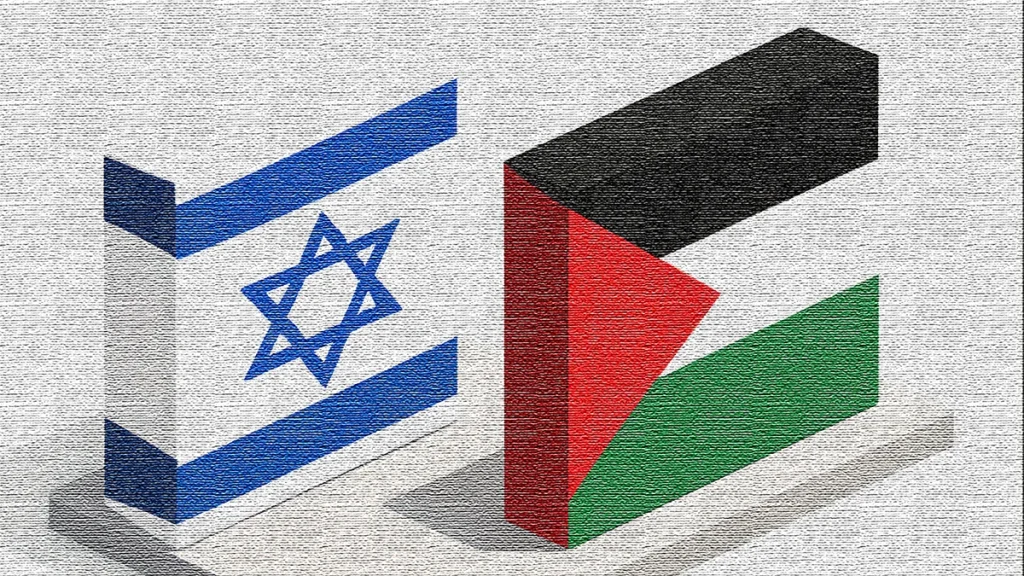
How to use this hub: start with the basic conflict guide if you want orientation, move to the Gaza war and humanitarian-law articles for current stakes, then use the language, media, U.S. policy, and political-money sections to understand why the debate remains so distorted.
This page is a curated index of Sherafy articles, not a live breaking-news feed. Check the publication and update dates on individual articles when timing matters.
Start here
These articles give the clearest entry points into the Israel-Palestine topic cluster.
Orientation
15 Myths and Misconceptions About the Israel-Palestine Conflict
A facts-first guide to the major narratives, myths, and recurring claims that shape public understanding of the conflict.
Gaza war
Gaza at Year Two
A plain-language overview of where the Gaza war, law, diplomacy, famine concerns, and ceasefire politics stand.
UN report
UN Commission Report on Palestinian Children
A structured summary of the June 2026 UN Commission allegations, legal framing, and accountability questions.
Public opinion
Why Some People Still Support Israel in 2026
A careful look at the fears, loyalties, media narratives, and moral tensions inside pro-Israel public opinion.
Language
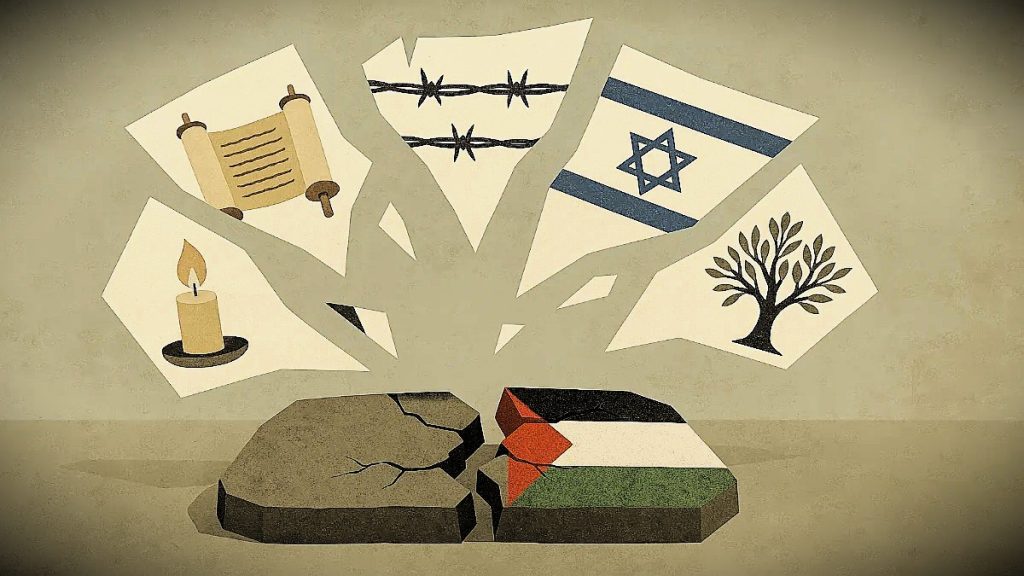
Why the Word Zionism Has Lost Its Meaning
A guide to why one word now carries conflicting meanings across identity, nationalism, occupation, religion, and power.
U.S. policy
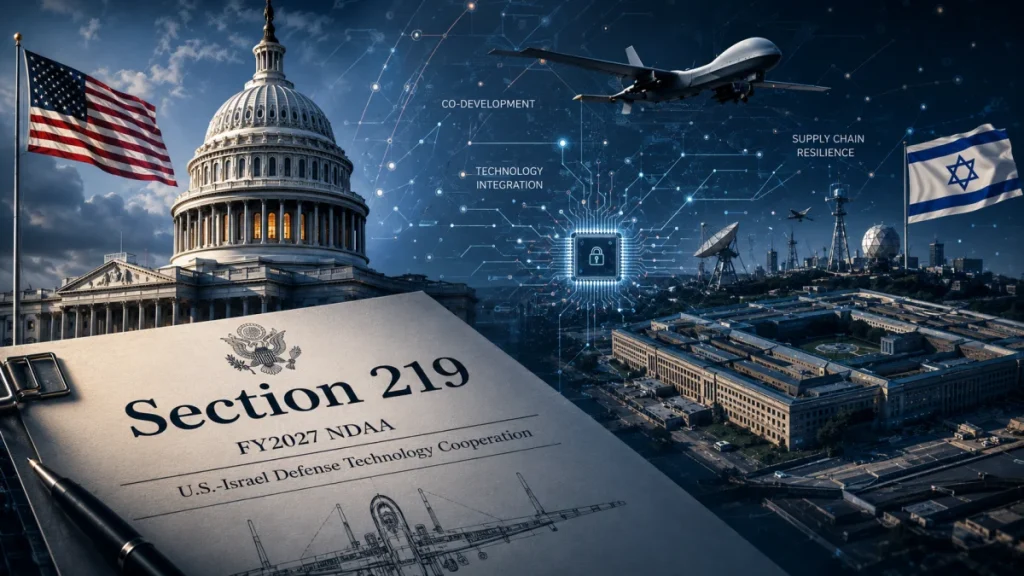
Section 219 and U.S.-Israel Military Integration
A focused look at defense technology integration, democratic consent, taxpayer systems, and alliance policy.
Choose a reading path
Gaza, law, and humanitarian crisis
War status, ceasefire politics, famine concerns, civilian harm, UN allegations, and accountability.
Language, identity, and media framing
Zionism, antisemitism, Jewish safety, media bias, moral distinction, and the language of public debate.
U.S. policy, money, and influence
Military aid, defense integration, political finance, foreign-connected influence, and the wider U.S. policy system.
Complete topic index
Gaza, law, and humanitarian crisis
- UN Commission Says Israel Deliberately Targeted Palestinian Children – The June 2026 UN Commission report, its allegations, legal framing, and what accountability questions follow.
- Gaza at Year Two – A broad status guide to the war, law, diplomacy, famine concerns, hostage negotiations, and likely scenarios.
- Gaza Ceasefire Talks: Humanitarian Crisis, Political Realities, and Media Narratives – Ceasefire negotiations, power asymmetry, media framing, and humanitarian urgency.
- Only 8 Percent of Gazans Today Voted for Hamas – A data-driven corrective to collective-blame arguments about Gaza and the 2006 election.
- History Will Remember What We Called Complicated – Genocide denial, delay, euphemism, and the moral cost of waiting during mass atrocities.
- Reflecting on 2021: A Year of Continued Struggle for Palestinian Rights – Earlier context on dispossession, Gaza, the West Bank, international inaction, and Palestinian rights.
Conflict foundations and human-rights framing
- 15 Myths and Misconceptions About the Israel-Palestine Conflict – A foundational fact-checking guide to recurring narratives and contested assumptions.
- Rethinking Israel-Palestine: Advocating Human Rights Over Bias and Fear – A rights-centered argument against reducing the conflict to loyalty, identity, or slogans.
- Reflections on Verification, Truth, and Norman Finkelstein – Verification, objectivity, factual integrity, and why source discipline matters in Israel-Palestine research.
Language, identity, and media framing
- Why the Word Zionism Has Lost Its Meaning – How one term now carries conflicting meanings across identity, nationalism, occupation, religion, and power.
- Why Some People Still Support Israel in 2026 – A study of the pro-Israel mindset, moral conflict, fear, October 7, Gaza, and public persuasion.
- The Collapse of a Necessary Distinction – Separating Jewish identity and safety from Israeli state policy while still confronting Palestinian suffering.
- Defending the Jewish Community Center, Without Defending the State of Israel – Why Jewish communal safety and criticism of Israeli policy must remain distinguishable.
- If “Jews Control the Media” Is a Myth, Why Does Media Bias Feel Real? – Rejecting antisemitic conspiracy while examining real institutional, political, and economic media incentives.
U.S. policy, money, and influence
- Section 219 and the Civic Problem of U.S.-Israel Military Integration – Defense technology cooperation, procurement, AI, cyber, missile defense, and democratic consent.
- Why the Iran War Continues – and How Americans Can End It – Israeli strategic pressure, executive power, political money, and the American antiwar gap.
- Where Your Tax Dollars Go Abroad – U.S. foreign aid, Israel’s military financing, humanitarian spending, oversight, and opportunity costs.
- Mapping the Money – Non-FARA foreign-connected influence, campaign contributions, lobbying, and Israel-linked advocacy spending.
- Mapping the Shadow – Smaller PACs, dark money, donor networks, and brand-laundered political influence.
- How Money Runs American Politics – A broader corruption and lobbying analysis connecting domestic reform failure to foreign-policy outcomes.
Adjacent civic context and related analysis
- The Graham Platner Problem – Allegations, opposition research, Gaza-related public trust questions, and the gap between legal proof and political judgment.
- The Politics We Were Told Not to Talk About – How wedge issues and symbolic outrage distract from the material systems behind policy decisions.
- The Bill Nobody Sent You – A broader essay on captured democracy, hidden public costs, lobbying, and policy distortion.
- Charlie Kirk’s Assassination: Evidence, Anomalies, and Public Skepticism – Adjacent analysis on evidence standards, public distrust, and politicized narratives.
- The Epstein Enigma – Institutional protection, intelligence questions, and how to discuss unresolved power networks without collapsing into lazy conspiracy.
- The Ambient – A narrative exploration of truth, persuasion, verification, and how belief systems form around geopolitical themes.
- Site Update: Audience Insights, New Structure, and The Ambient – Context on how Sherafy readers use geopolitical research and why the site is being organized into clearer topic hubs.
Editorial note
Sherafy articles in this hub often examine claims, public narratives, legal arguments, funding structures, humanitarian reporting, and moral reasoning. The goal of the hub is to make related work easier to find and compare, not to flatten the topic into a single slogan.