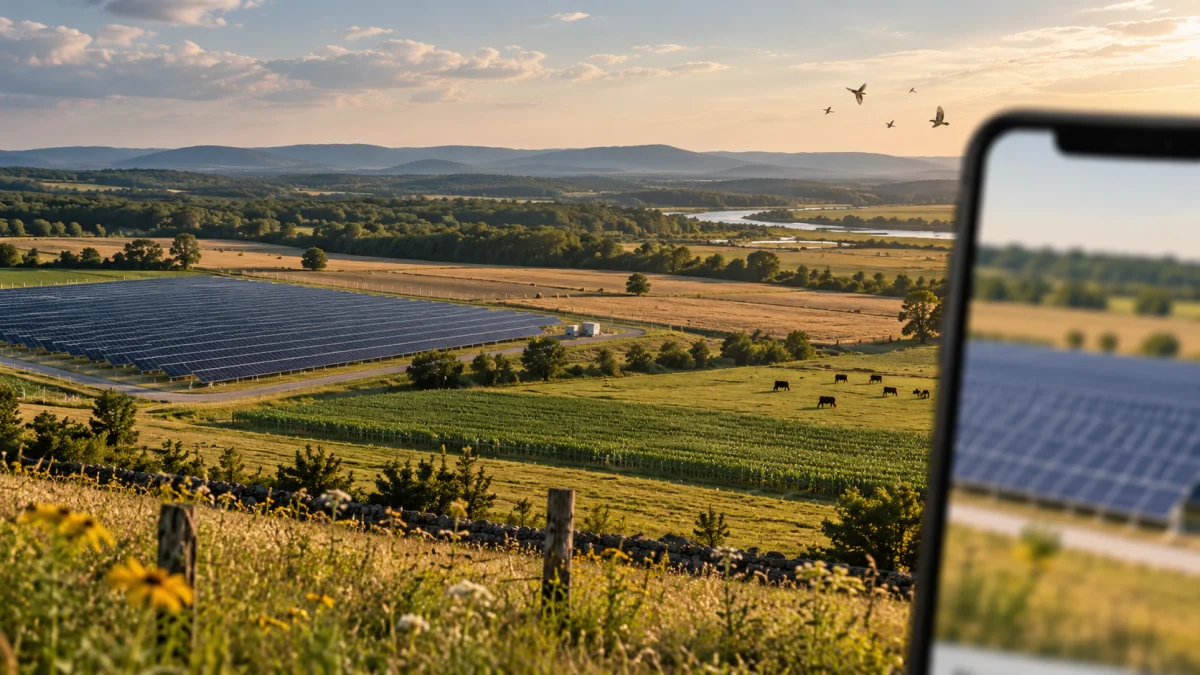
Are Solar Farms Destroying American Farmland? Facts, Risks, and Misinformation
Solar farms occupy a small share of U.S. farmland, but poorly sited projects can still harm soil and wildlife. Here is the evidence behind claims

Solar farms occupy a small share of U.S. farmland, but poorly sited projects can still harm soil and wildlife. Here is the evidence behind claims

Open Source Ecology wants to make heavy equipment work like a giant Erector Set, with reusable steel frames, interchangeable power modules and open blueprints. The
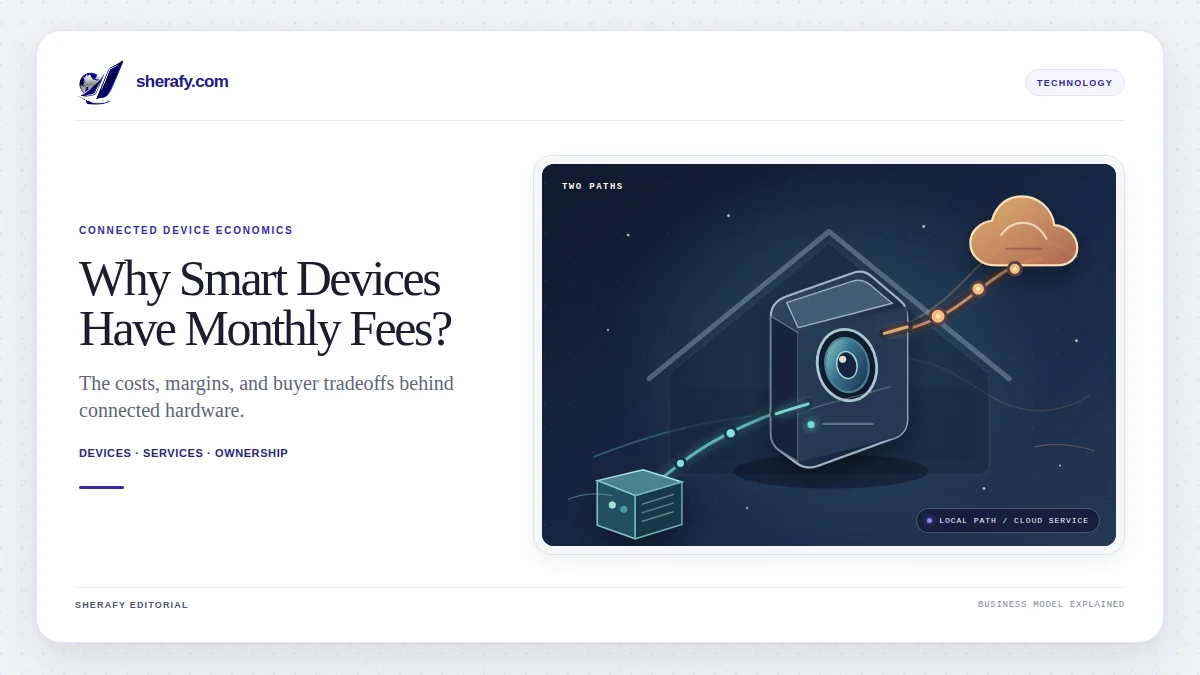
Smart-device fees can pay for cloud storage, monitoring or AI—or monetize access to extra features. Public filings show how some companies balance hardware and service
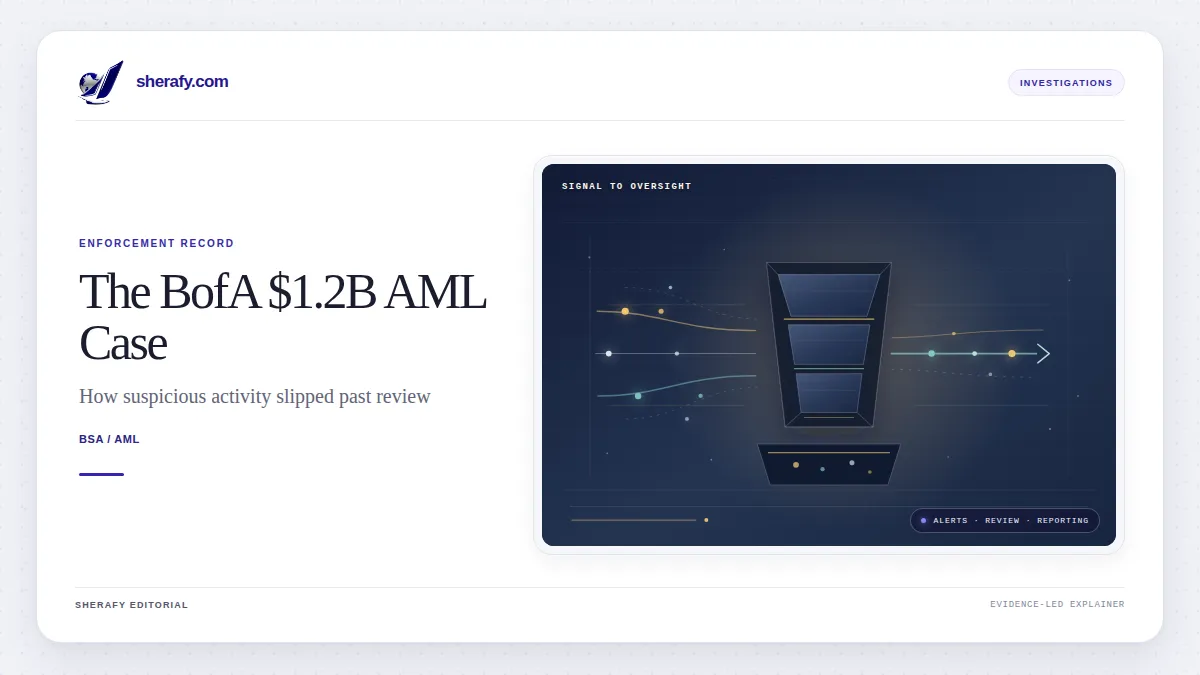
Bank of America admitted serious civil Bank Secrecy Act violations after failing to detect and report billions of dollars in suspicious activity. The records do
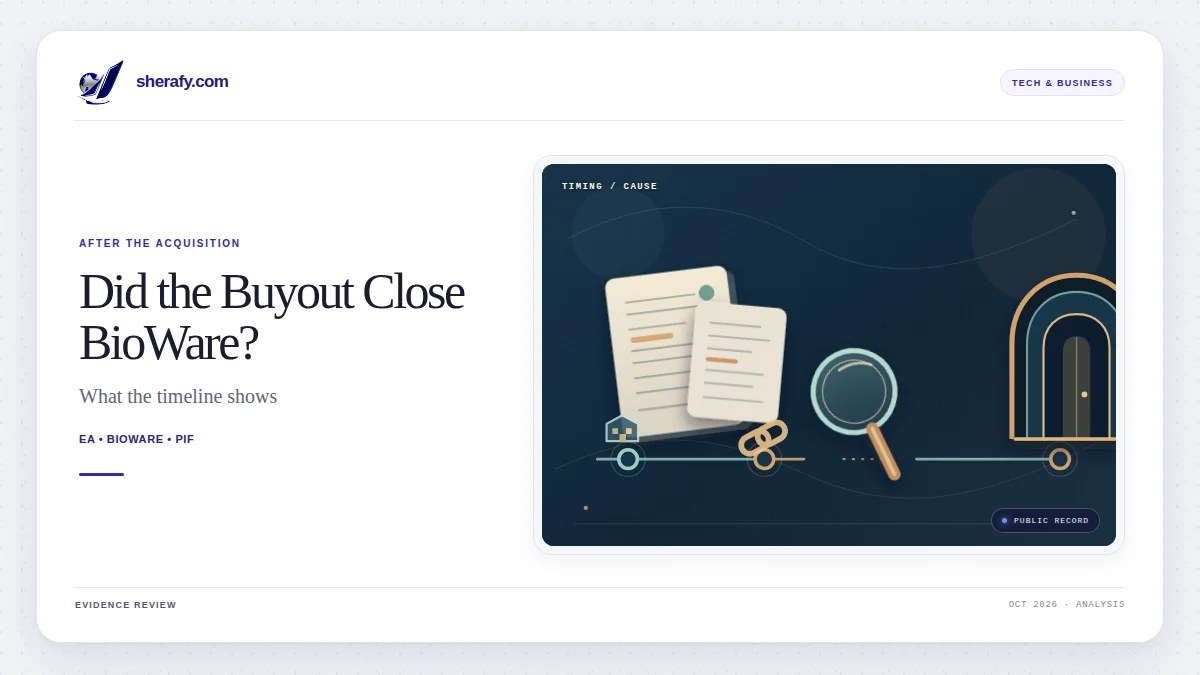
BioWare’s closure came 78 days after a consortium completed its buyout of EA, a transaction valued at about $55 billion in enterprise value. The record
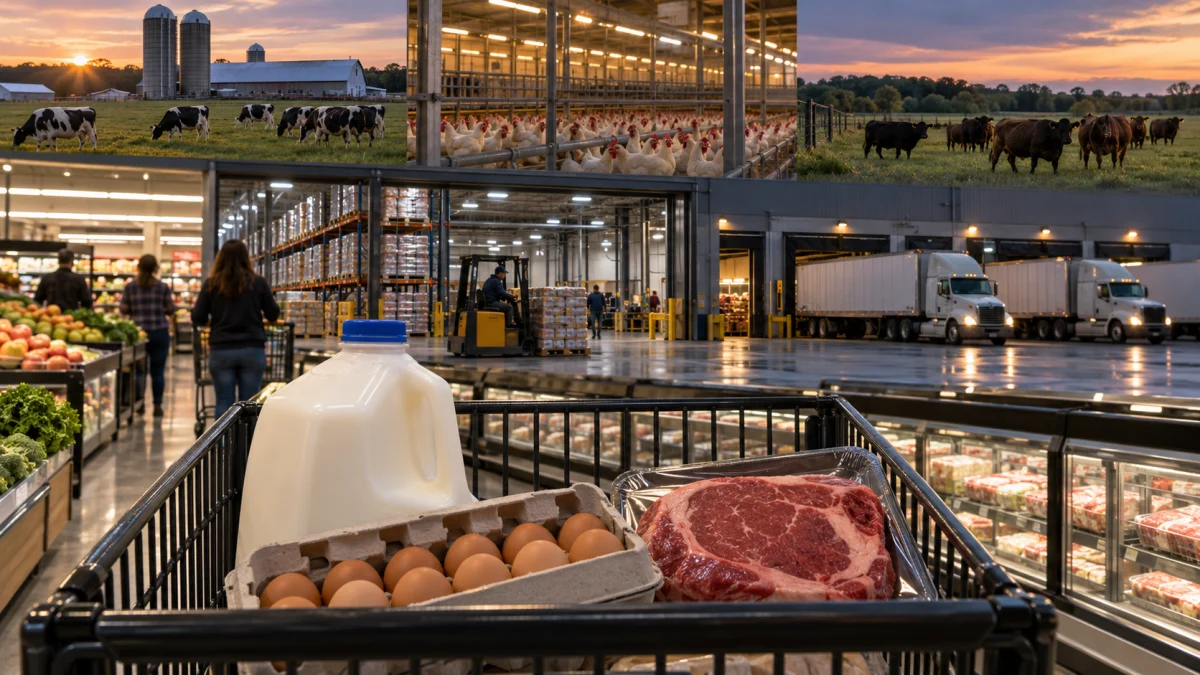
A supermarket can sell you milk, eggs, and steak on almost any ordinary evening because an enormous supply network is working behind the shelves. We

Five agricultural trading companies are said to control most of the world’s grain. The claim is much less settled than it sounds. A recent shipping-data
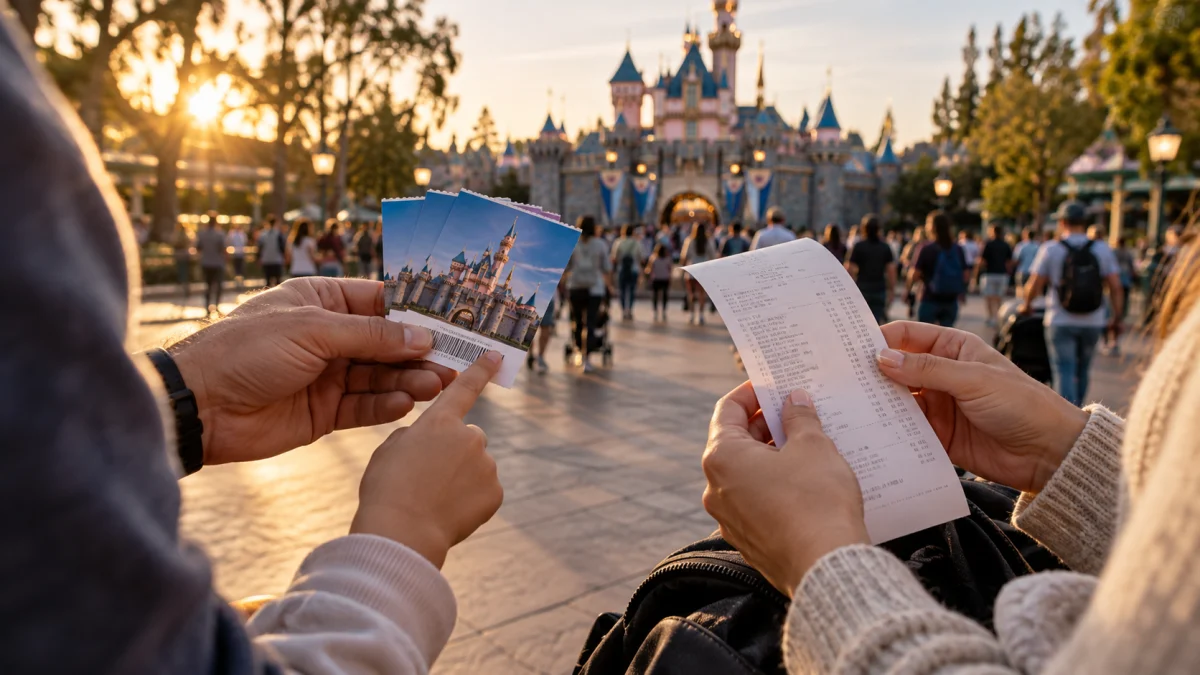
Costco is selling a two-day Disneyland bundle for $329.99 while Disney maintains premium ticket prices. We examine the real savings, the company’s 2026 profits and
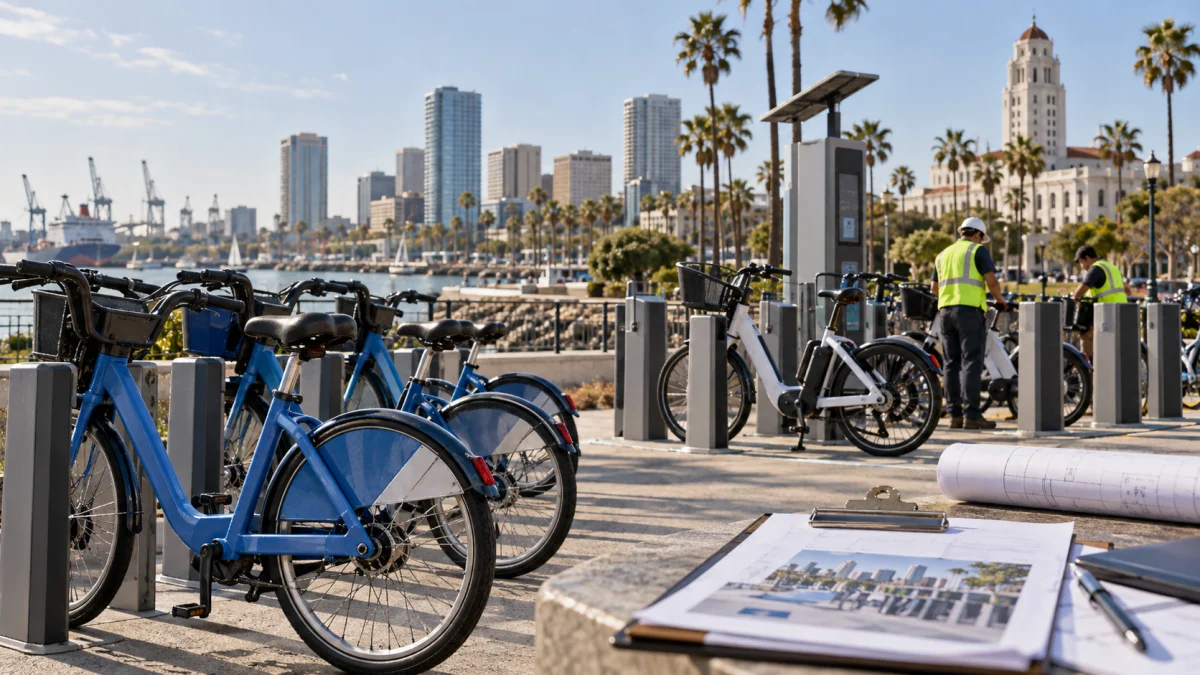
Long Beach is considering a BikeShare modernization contract worth up to $25.68 million with Drop Mobility while longtime local operator Pedal Movement faces replacement. City
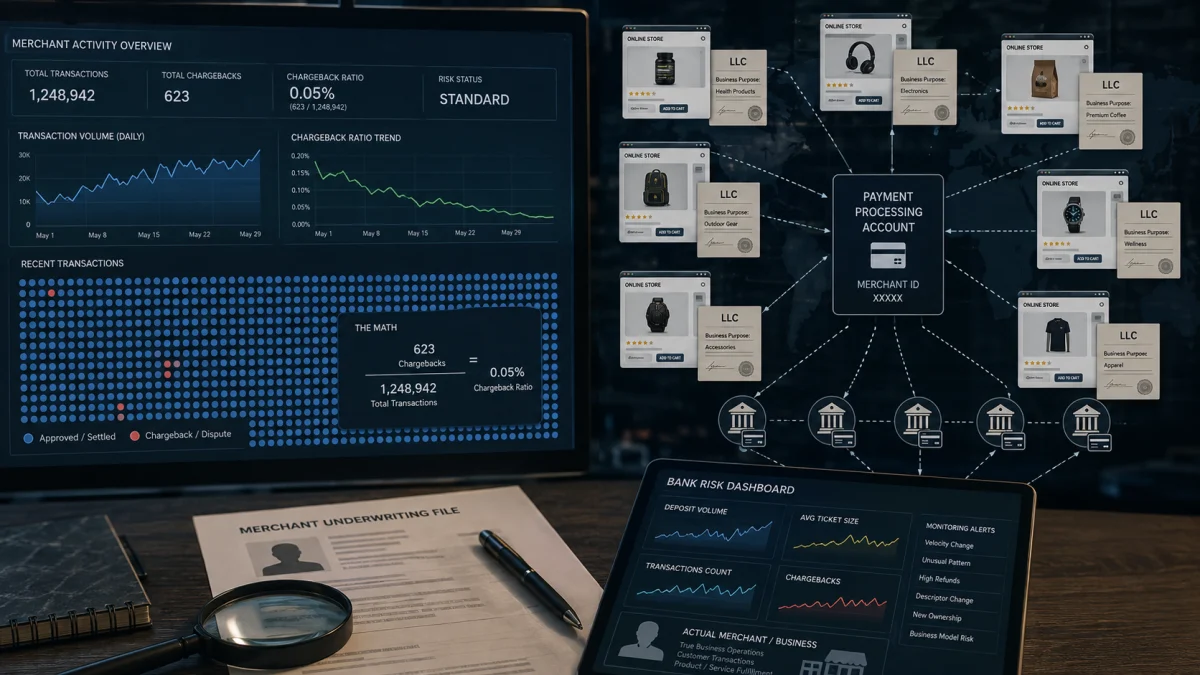
Thomas Eide admitted that CB Surety and its co-conspirators used sham companies and thousands of small-dollar transactions to help high-risk merchants keep access to banking.