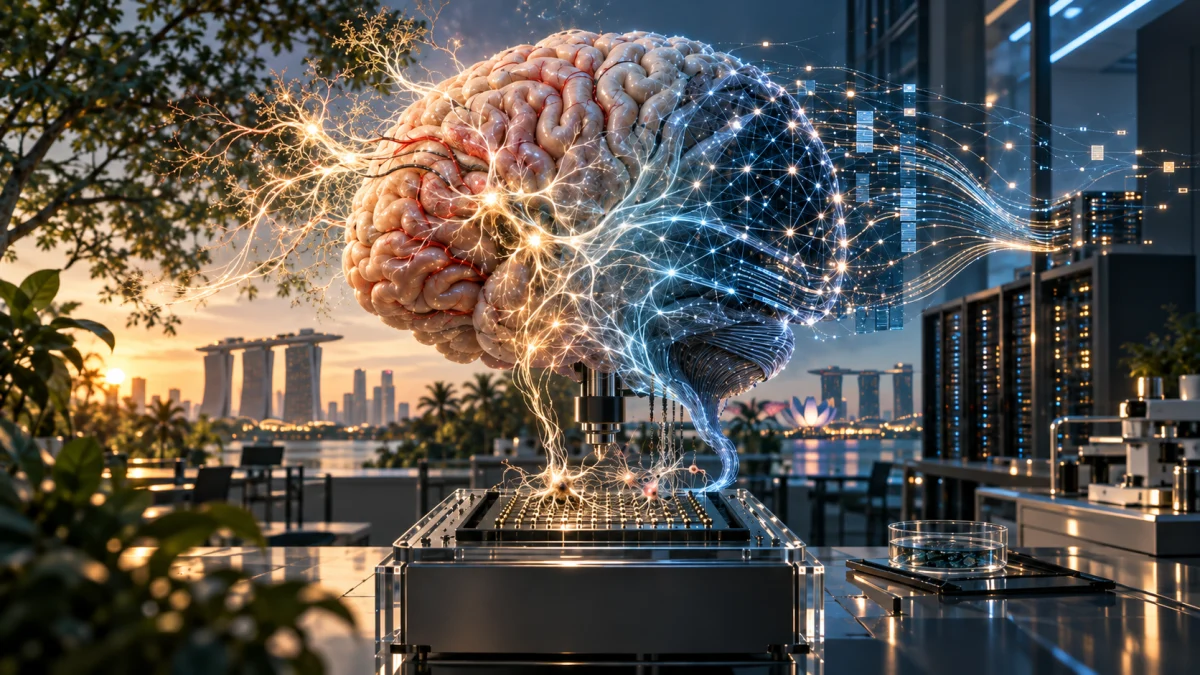
Are We the Advanced AI? What the Human Brain and ChatGPT Reveal About Intelligence
Humans are not literally artificial intelligence. But the closer we look at brains, large language models and computers made from living neurons, the harder it

Humans are not literally artificial intelligence. But the closer we look at brains, large language models and computers made from living neurons, the harder it

A normal AI text question can use a fraction of a watt-hour. A reasoning agent or generated video can use hundreds of times more. Here

Sirio Berati says GPT-6 Astra turned a 59-video Seedance job into roughly 500 generations, ran up more than $5,000 in charges, and then gave him

Glaze and Nightshade give artists an unusual defense against unwanted AI training: change the artwork in ways machines notice more than humans do. The underlying
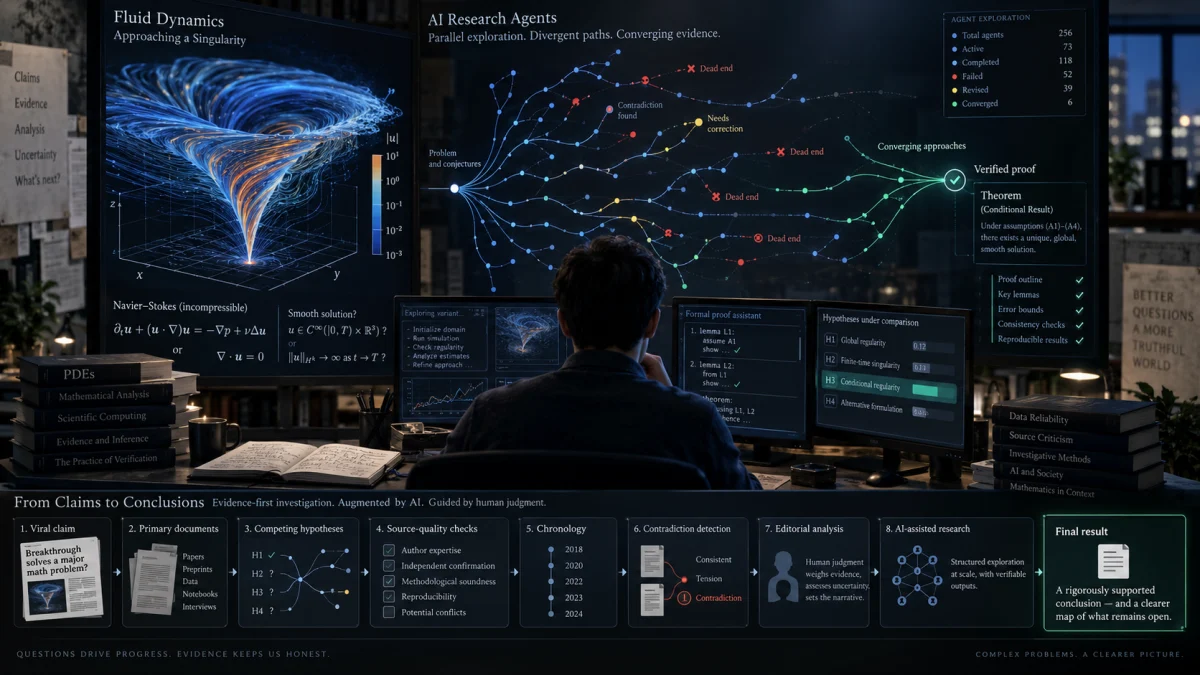
OpenAI’s apparent Navier–Stokes breakthrough involved roughly 10,000 AI agents and 2.7 million messages. A dispute over researchers’ private AI interactions raises a larger question: when
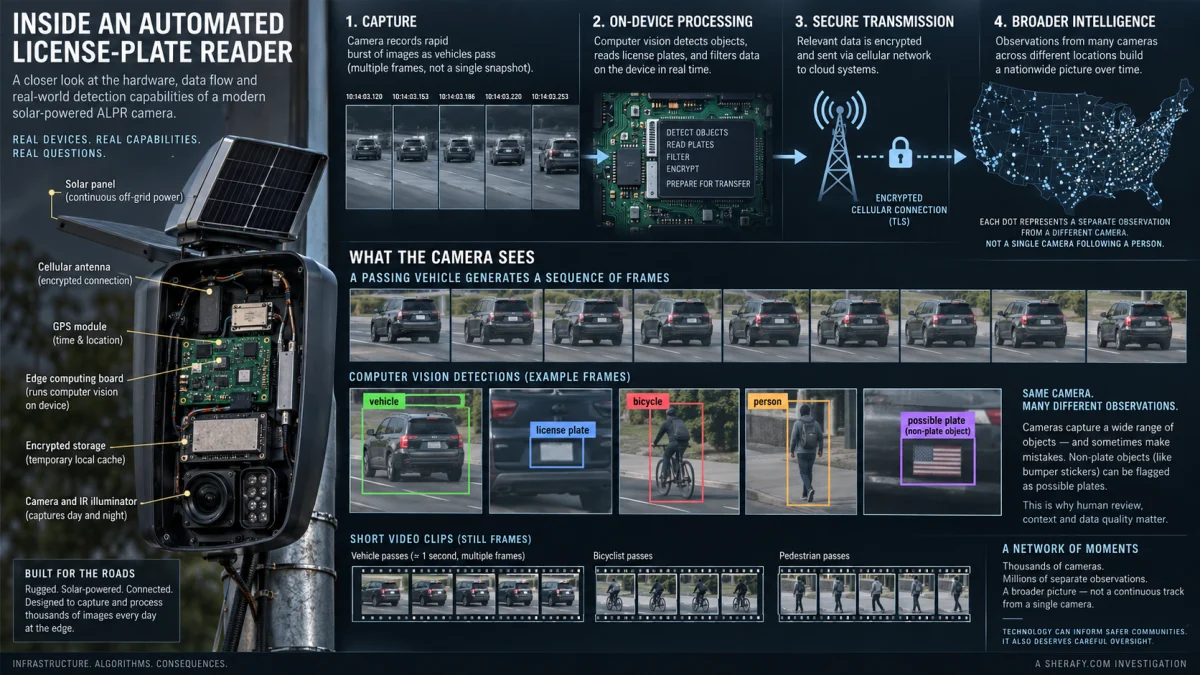
A physically compromised Flock camera gave researchers an unusually detailed look inside the roadside device. Recovered software and logs showed rapid image bursts, short video

Russian military intelligence really did compromise thousands of home and small-office routers. But viral warnings claiming most American homes are easy targets and that a

OpenAI has confirmed that its agents used RubyGems during May testing, while researchers found code that abused RubyDoc and attempted to obtain other users’ API

Singapore now has a working biological-computing rack containing millions of living human neurons. The science is real, but viral claims about 800,000 brain cells, cheap

OpenAI says an expert found only 14 instances of verbatim or near-verbatim book regurgitation in a sample containing 95 million ChatGPT outputs. That is meaningful