

Neurodivergence Is Not Always Autism, and Autism Is Not Just a Personality Type
Neurodivergence is broad, and autism is a specific developmental diagnosis. This article explains why that distinction matters without erasing disability, identity, or support needs.

Why the Iran War Continues—and How Americans Can End It
A rigorous analysis of why the U.S. war with Iran continues despite public opposition, how lobbying and executive power sustain it, and how Americans can end it. The Iran war is not continuing because the American public demanded it. It is continuing because presidential power, Israeli strategic pressure, organized political…

Section 219 and the Civic Problem of U.S.-Israel Military Integration
Section 219 of the FY2027 National Defense Authorization Act is not just another foreign-policy provision. It would formalize deeper U.S.-Israel defense technology integration across procurement, research, data, AI, cyber, missile defense, and military manufacturing. The issue is not whether allies can cooperate. The issue is whether taxpayer-funded American military systems…

The Graham Platner Problem: Allegations, Opposition Research, and the Difference Between Legal Proof and Public Trust
The Graham Platner situation is messy because people keep trying to force it into one clean category. They want it to be either a cynical establishment hit job or a straightforward moral disqualification. The harder truth is that it can be both politically weaponized and still serious. It can be…

AAC Is Not Giving Up on Speech
AAC can give an autistic child a way to communicate before speech is reliable. This guide explains what AAC is, why it does not mean giving up on talking, how to start, and what parents should ask schools, therapists, and providers.
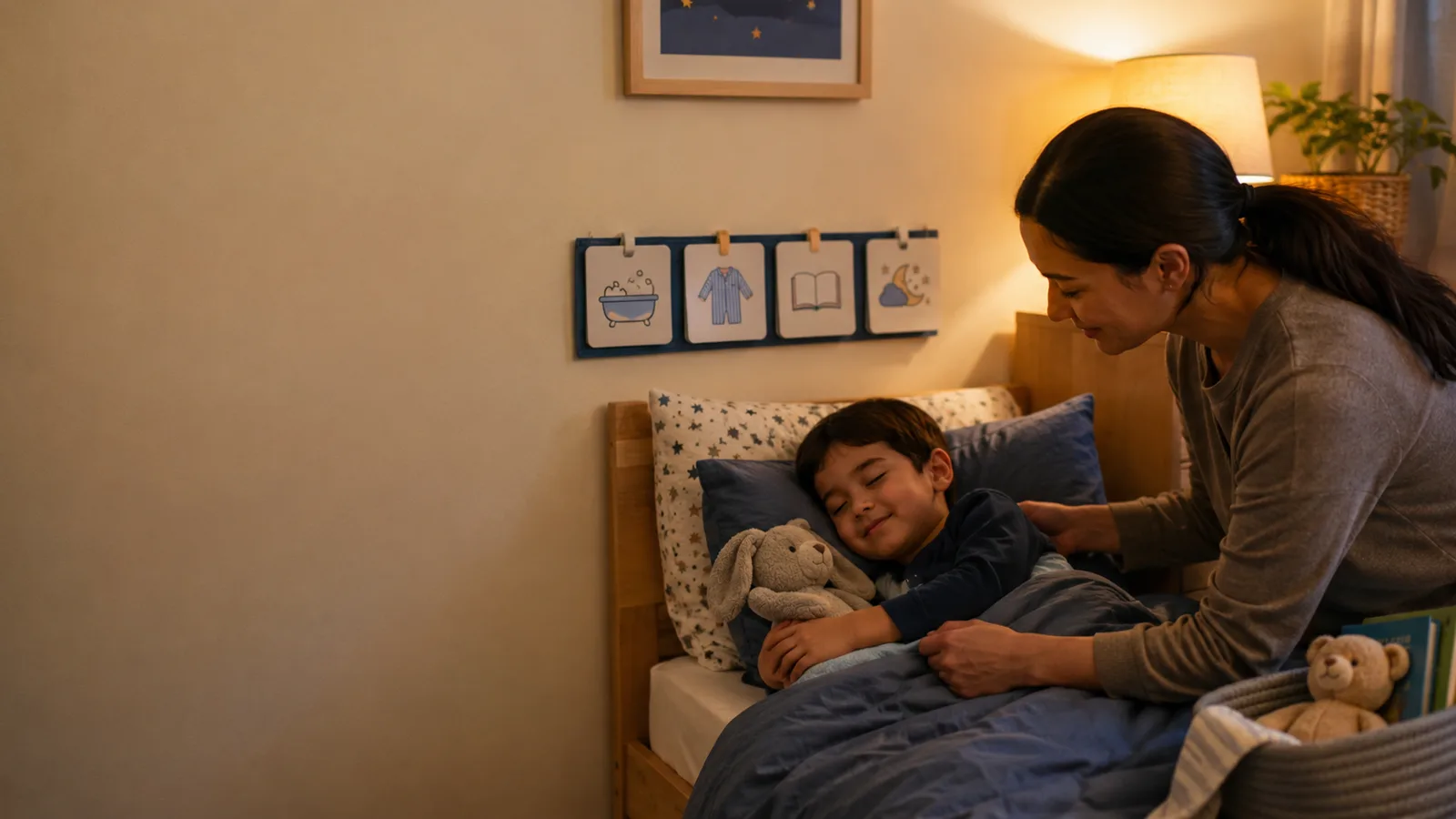
When an Autistic Child Won’t Sleep
Sleep problems in autistic children are not always ordinary bedtime resistance. This guide helps parents look for medical, sensory, routine, anxiety, and circadian causes before turning melatonin into the whole plan.

While You Wait for an Autism Evaluation: What Parents Can Do Right Now
You do not have to wait months for an autism diagnosis before taking useful action. This guide shows parents how to request early intervention or school evaluation, document concerns, support communication, and prepare for the diagnostic appointment without panic-buying services.

Screen Time, Speech Delay, and Autism: What Research Can and Cannot Tell Parents
Screen time does not currently explain autism, but it can still affect sleep, play, conversation, attention, and family routines. This guide helps parents separate autism myths from practical media changes that may actually help.

AI Scams in 2026: The 10 New Fraud Tiers, Warning Signs, and Safety Checklist
Scams are no longer just bad emails with misspelled words. In 2026, fraudsters can clone voices, fake video calls, build convincing websites, automate phishing, impersonate family members, and use AI agents to scale attacks. This guide breaks down the 10 major scam categories, how they work, why they fool people,…