

How to Choose an Arbitrator for an AI Dispute
The right arbitrator for an AI dispute is not necessarily the person with the flashiest technology resume. The real question is who can manage the process fairly, understand the evidence, handle confidentiality, ask disciplined questions, and decide the dispute without confusing novelty for expertise. This practical guide covers technical fit,…

When an AI Dispute Clause Should Use Expert Determination
Not every AI dispute needs full arbitration or litigation. Some disputes are narrower, more technical, and better suited to expert determination: model-performance benchmarks, valuation questions, compliance findings, milestone acceptance, or defined technical disagreements. This practical guide explains when expert determination fits better than arbitration, what issues it can decide, and…

AI-Led Arbitration Explained: What It Is and What It Is Not
AI-led arbitration is no longer just a thought experiment. As of June 1, 2026, the American Arbitration Association is offering an AI Arbitrator process with AI-led rules, human arbitrator oversight, and a defined current use case. This practical explainer covers current scope, human oversight, due process concerns, confidentiality, and what…
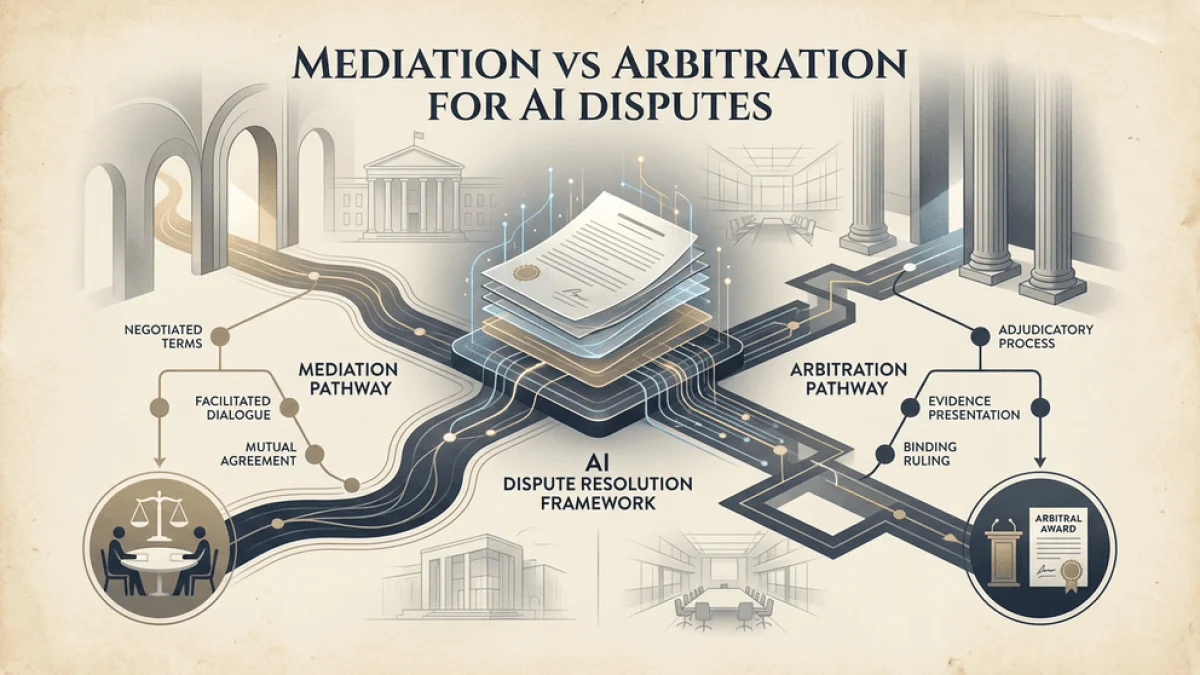
Mediation vs Arbitration for AI Disputes: Which Process Fits the Problem?
Not every AI dispute should go straight to arbitration, and not every one should be pushed into mediation first. The better question is which process fits the actual problem: a technical contract fight, a privacy-sensitive business conflict, a relationship worth preserving, or a dispute that needs a binding answer. This…
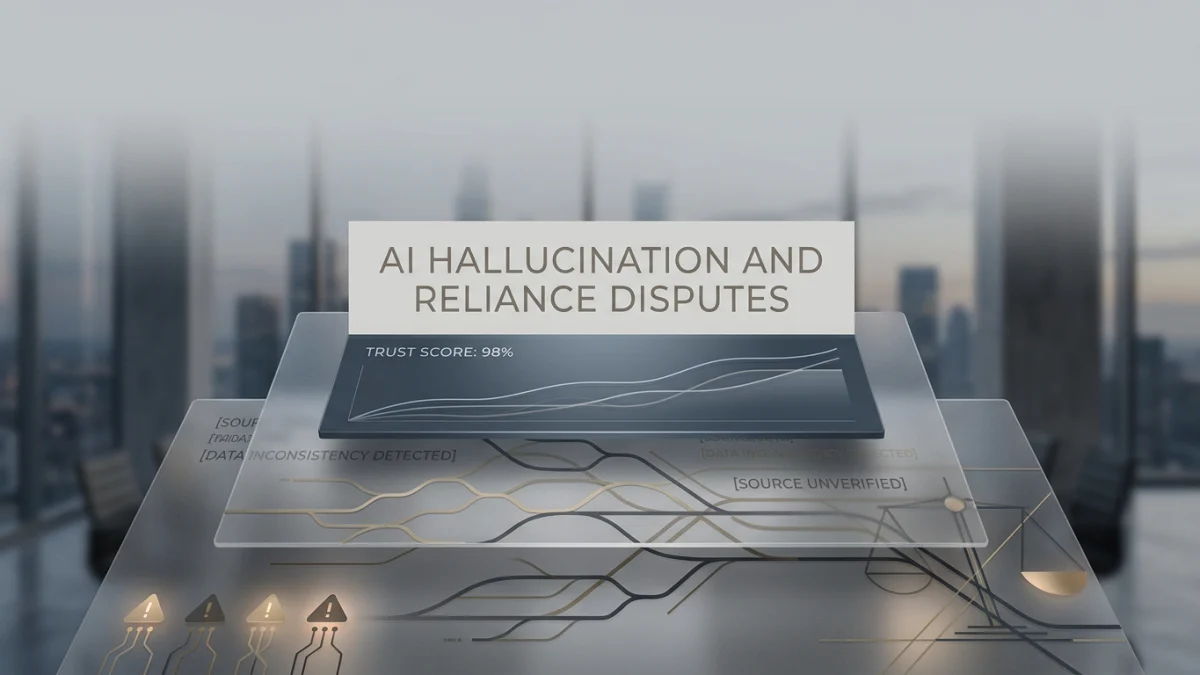
AI Hallucination and Reliance Disputes: When Wrong Outputs Create Real Liability
A guide to AI hallucination and reliance disputes, including wrong outputs, causation, disclaimers, consumer harm, workplace use, vendor liability, and evidence preservation. AI hallucination disputes are not only about whether a model got something wrong. They are about who relied on the output, what the system was supposed to do,…

AI Dispute Resolution Resources: Official Rules, Guidance, and Sources
A curated AI dispute resolution resources page covering official arbitration rules, AI guidance, California sources, privacy regulators, employment guidance, and technical standards. The best AI dispute resolution work starts with source discipline. This resource page gathers the official rules, guidance, standards, California sources, and regulator materials most useful for understanding…
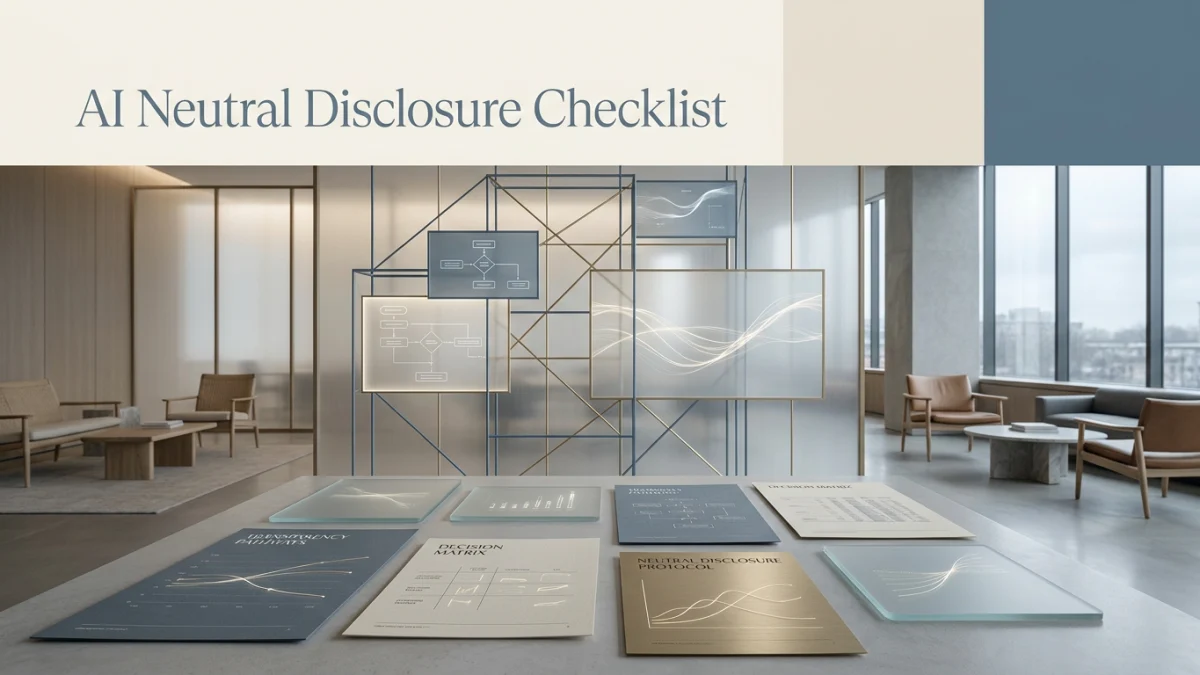
AI Neutral Disclosure Checklist for AI-Related Arbitrations
An AI neutral disclosure checklist covering tool use, materiality, confidentiality, conflicts, human judgment, and when disclosure should be made in arbitration. As arbitrators and parties begin using AI tools more often, the real question is no longer whether disclosure might matter. It is what should be disclosed, when, and at…

AI Governance Disputes: Oversight, Accountability, and Risk Management Failures
A practical guide to AI governance disputes, including oversight failures, unclear ownership, risk assessments, escalation gaps, board management tension, and evidence preservation. Many serious AI disputes are mislabeled as product disputes or vendor disputes when the deeper conflict is really about governance. Who approved the system, who owned the risk,…
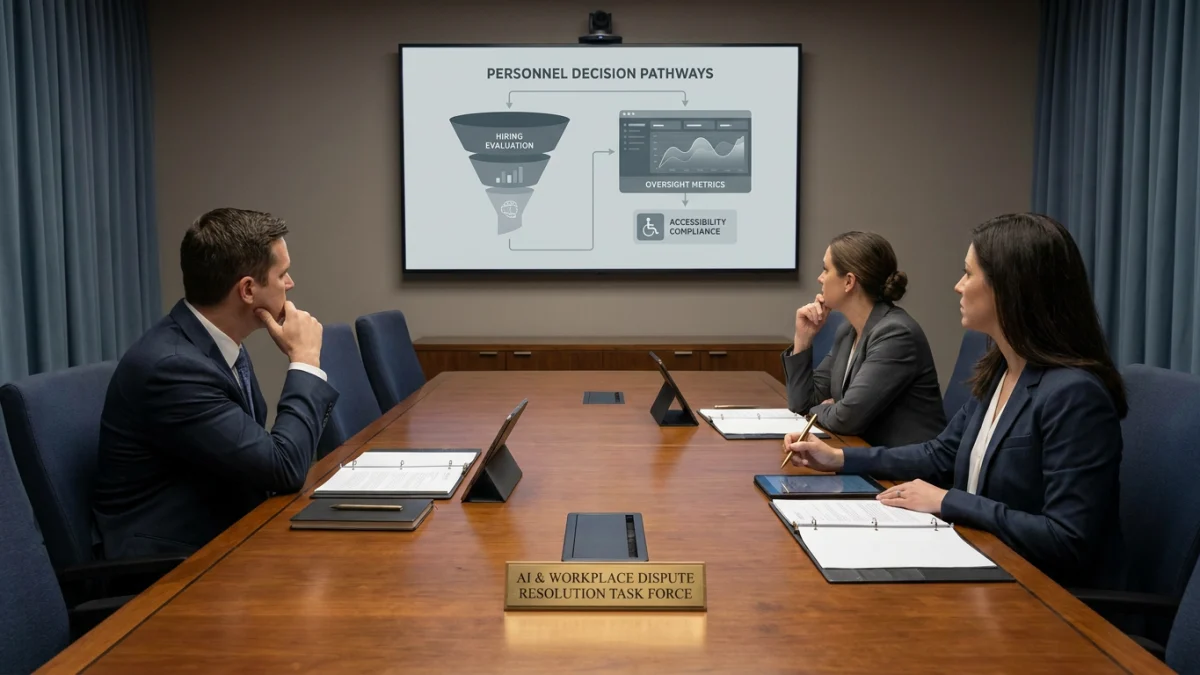
AI Employment Disputes: Hiring, Monitoring, Bias, and Workplace Risk
A practical guide to AI employment disputes, including hiring tools, workplace surveillance, disability accommodation, adverse impact, recordkeeping, and arbitration risk. AI employment disputes are not only about futuristic hiring bots. They also arise from resume screening, video interviews, productivity scoring, workplace monitoring, accommodation failures, and automated decisions about pay, promotion,…