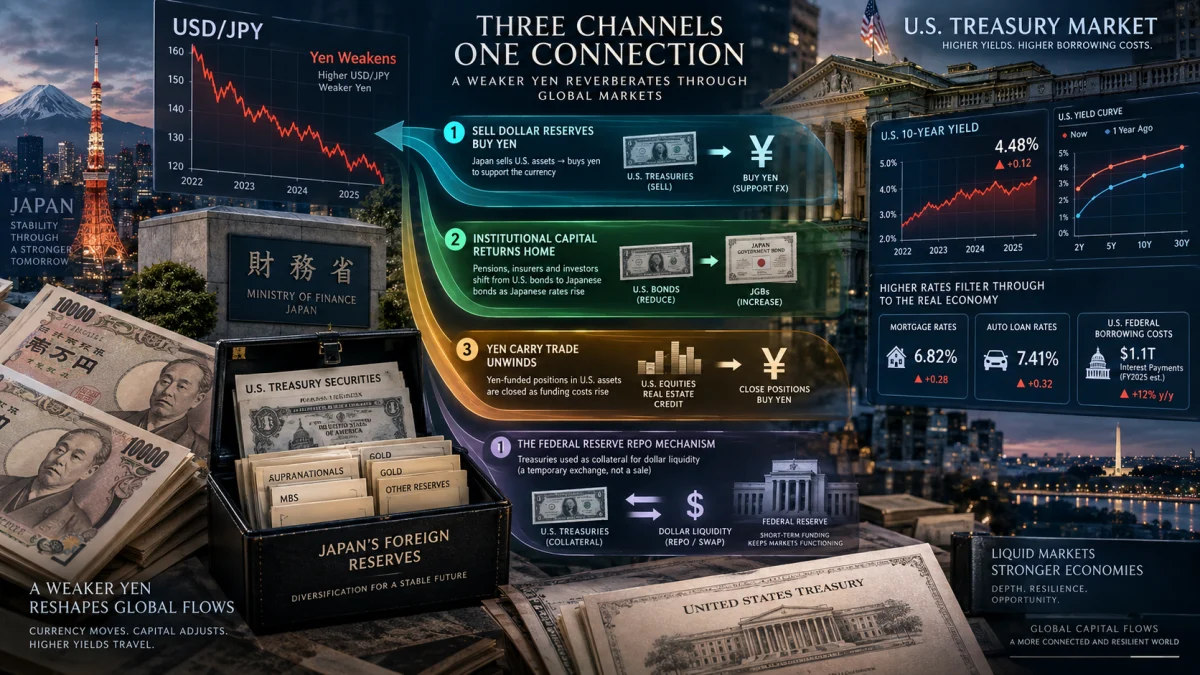
Why the U.S. Helped Rescue Japan’s Yen — and Why It Was Really Protecting America
When Washington joined Japan in buying yen in July 2026, it looked like the United States was rescuing another country’s currency. The deeper economic reality

When Washington joined Japan in buying yen in July 2026, it looked like the United States was rescuing another country’s currency. The deeper economic reality

Solar modules have fallen to roughly $0.27 per watt in the U.S., while a finished residential solar system can still cost around $3 per watt.

A credit-card fee of roughly 3% is not simply the cost of moving money electronically. Follow a $100 purchase through interchange, network and processor fees,
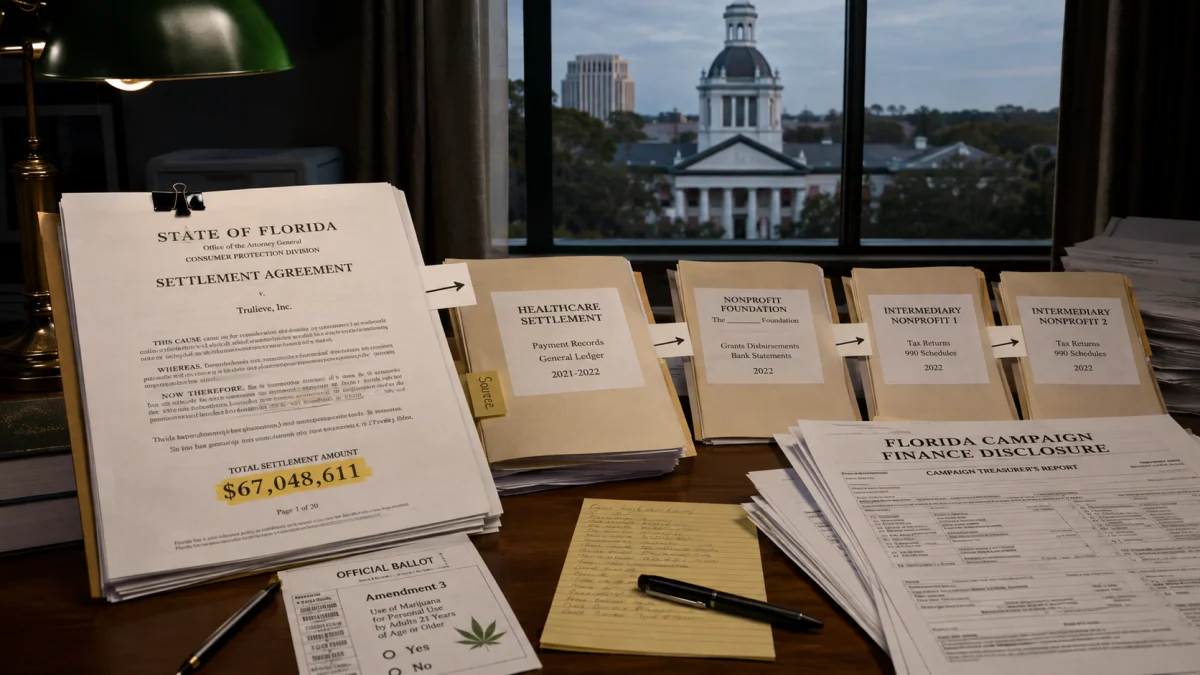
Florida settled potential Medicaid-related claims against Centene for $67 million, but $10 million was directed to the Hope Florida Foundation. Within weeks, most of it

JPMorgan has not predicted an imminent AI crash. But its strategists are seeing a market divergence reminiscent of the dot-com era as AI spending moves

The U.S. Treasury is increasing long-term bond buybacks just as federal debt crosses $40 trillion and long-term yields approach 20-year highs. It is not technically

Outside political spending does not simply buy elections—but it can buy a disproportionate share of voters’ attention. An analysis of Democratic primaries from 2020 through

AI data centers can require major new generation, substations, and transmission lines. This explainer shows how some costs reach ordinary customers, why current pricing rules

The Supreme Court invalidated broad IEEPA tariffs, and Customs is refunding eligible duties to importers of record. Here is why that can leave consumers without

Falling cardboard demand signals weakness in the goods economy, but mill closures do not prove a recession. Here is what the latest 2026 data really