There is no scientifically established single “healthiest artificial sweetener.” But there are meaningful differences between them—and some are much easier to recommend than others for particular purposes.
If someone wants a sugar-like ingredient for baking or food preparation, allulose currently has one of the most favorable overall profiles, particularly for reducing post-meal glucose and insulin compared with ordinary sugar. That does not mean allulose has been proven to prevent diabetes, cardiovascular disease or obesity.
If someone needs only sweetness—for coffee, tea or similar uses—high-purity stevia is a reasonable evidence-based choice with negligible calories and little direct effect on blood glucose. Monk fruit is another plausible option, but its long-term human evidence is surprisingly sparse relative to its reputation.
Aspartame has not been proven to cause cancer at normal human intake levels. Its 2023 classification as “possibly carcinogenic” is real, but frequently misunderstood.
Saccharin’s famous cancer reputation is largely based on a rat mechanism now considered irrelevant to humans.
Erythritol and xylitol are more complicated. Both produce relatively favorable glucose responses, yet recent cardiovascular research has connected elevated blood levels with cardiovascular events and has shown increased platelet reactivity in small experimental studies. Those findings deserve serious attention, but they do not establish that consuming either sweetener causes heart attacks.
And if someone already happily drinks water, unsweetened coffee or unsweetened tea, there is no compelling reason to add a sweetener merely because it is marketed as “healthy.”
The scientifically useful question is therefore not simply “Which sweetener is safest?”
It is:
What are you replacing, what biological effect are you trying to avoid, and what does the evidence actually show about the substitute?
The short answer: which sugar substitute looks best?
These are evidence-based practical judgments rather than formal medical rankings. No large trial has randomized people to every major sweetener and followed them for decades.
| Goal | Current evidence-based choice | Important qualification |
|---|---|---|
| Best sugar-like replacement overall | Allulose | Strong acute glycemic evidence; long-term disease benefits remain unproven |
| Best-established high-intensity plant-derived option | High-purity stevia | No convincing evidence that it provides major health benefits beyond replacing sugar |
| Promising natural high-intensity alternative | Monk fruit | Far less long-term human research than its reputation implies |
| Potentially useful rare sugar | Tagatose | Encouraging glucose data, but smaller evidence base and possible GI effects |
| Most misunderstood cancer controversy | Aspartame | Possible carcinogenic hazard does not mean cancer has been demonstrated at ordinary exposure |
| Old cancer scare that evidence largely overturned | Saccharin | Rat bladder-cancer mechanism is not considered relevant to humans |
| Reasonable but not my first choice for heavy use | Sucralose | Current authorized uses remain considered safe; microbiome, glycemic and high-heat questions remain |
| Most important emerging caution signal | Erythritol | Cardiovascular and platelet findings are concerning but not proof of dietary causation |
| Useful particularly for dental applications | Xylitol | Dental evidence is mixed in strength; cardiovascular signal and GI effects complicate heavy dietary use |
| Less attractive “sugar-free” bulk sweetener | Maltitol | Can affect glucose substantially more than some other polyols and commonly causes GI symptoms |
| Best sweetener for water | None | If unsweetened beverages already work for you, there is no demonstrated benefit to adding sweetness |
First, “artificial sweetener” is the wrong category
One reason online discussions about sweeteners become confused is that erythritol, stevia, aspartame and allulose are routinely discussed as though they were variations of the same chemical.
They are not.
They can be divided into several biologically distinct groups.
High-intensity non-sugar sweeteners include aspartame, sucralose, saccharin, acesulfame potassium, neotame and advantame. They are so much sweeter than sucrose that very small quantities are required.
Plant-derived high-intensity sweeteners include steviol glycosides from stevia and mogrosides from monk fruit. Being plant-derived does not automatically make them safer, nor does being highly processed automatically make them dangerous.
Sugar alcohols, or polyols, include erythritol, xylitol, sorbitol, maltitol, mannitol, isomalt and lactitol. These are bulk ingredients consumed by the gram rather than milligram, and gastrointestinal effects are therefore much more relevant.
Rare or low-calorie sugars include allulose and tagatose. Chemically, these actually are sugars, but human metabolism handles them very differently from ordinary sucrose.
That distinction matters enormously.
A platelet study involving 30 grams of erythritol cannot establish that a few milligrams of saccharin causes the same effect. A microbiome study of sucralose cannot be generalized automatically to monk fruit. An aspartame cancer assessment tells us virtually nothing about allulose.
The phrase “artificial sweeteners cause X” should immediately raise the question: Which sweetener?
The master comparison
| Sweetener | What it is | What happens in the body | Major advantage | Main concern | Evidence-based verdict |
|---|---|---|---|---|---|
| Allulose | Rare sugar related structurally to fructose | Absorbed but minimally metabolized; much is excreted | Very small glucose response; useful bulk and texture | GI symptoms at higher amounts; limited long-term outcome data | One of the strongest sugar-like alternatives currently available |
| Tagatose | Rare sugar | Partly absorbed; substantial fraction reaches the colon | Lower post-meal glucose and insulin than conventional sugar | GI tolerance and smaller research base | Promising and underappreciated |
| Stevia | Steviol glycosides from a plant | Gut microbes convert glycosides to steviol; metabolites are processed and excreted | High sweetness with negligible energy | Aftertaste; long-term outcome evidence still limited | Reasonable first-line high-intensity choice |
| Monk fruit | Mogrosides extracted from Siraitia grosvenorii | Mogrosides undergo intestinal microbial metabolism | Intense sweetness without conventional sugar load | Limited long-term human data | Likely reasonable, but evidence does not justify a special health halo |
| Aspartame | Dipeptide-derived high-intensity sweetener | Digested into phenylalanine, aspartic acid and methanol | Extensively studied; extremely small quantities required | Cancer controversy; phenylalanine is a problem for people with PKU | Ordinary intake has not been shown to cause cancer; PKU is an important exception |
| Sucralose | Chlorinated sucrose derivative | Mostly passes without metabolism; some is absorbed | Very sweet with negligible energy | Mixed glycemic/microbiome evidence; uncertainty during high-temperature cooking | Acceptable in normal use, but not an obvious “healthiest” choice |
| Saccharin | Synthetic high-intensity sweetener | Absorbed and largely excreted unchanged | Long safety history and negligible calories | Aftertaste; persistent outdated cancer reputation | Human cancer concern is substantially weaker than popular perception |
| Acesulfame-K | Synthetic high-intensity sweetener | Rapidly absorbed and largely excreted unchanged | Tiny quantity needed; heat stable | Fewer long-term human outcome data than some alternatives | Current evidence supports authorized use; little reason to seek it for health benefits |
| Neotame | Extremely potent aspartame-related sweetener | Metabolized at exceptionally low dietary exposures | Thousands of times sweeter than sugar | Sparse epidemiological literature | No established major safety signal at authorized exposure |
| Advantame | Ultra-high-intensity aspartame-derived sweetener | Used in minute amounts | Extremely low exposure | Limited population-level research | Low exposure is reassuring, but it is not uniquely health-promoting |
| Cyclamate | Synthetic high-intensity sweetener | Some individuals’ gut bacteria convert part to cyclohexylamine | Widely used in some countries | Prohibited as a food additive in the U.S.; complicated regulatory history | Not established as a human carcinogen, but unavailable as an approved U.S. sweetener |
| Erythritol | Four-carbon sugar alcohol | Most is absorbed and eliminated in urine rather than fermented | Almost no direct glucose effect; generally better GI tolerance than many polyols | Emerging platelet/thrombosis and cardiovascular findings | Reasonable reason for caution with large habitual doses until uncertainty is resolved |
| Xylitol | Five-carbon sugar alcohol | Partly absorbed/metabolized; remainder undergoes colonic fermentation | Low glycemic effect and potential dental advantages | GI effects; new platelet/CV signal; highly toxic to dogs | Useful selectively, particularly in oral-health products; less compelling as a large-dose daily sweetener |
| Sorbitol | Sugar alcohol | Incompletely absorbed and fermented in the colon | Lower glycemic effect than sugar | Gas, bloating and diarrhea | Fine if tolerated, but no compelling nutritional advantage |
| Maltitol | Sugar alcohol derived from maltose | Partially digested and absorbed | Sugar-like taste and bulk | More glycemic than consumers may expect; GI symptoms | One of the weaker choices if blood glucose is the main concern |
| Mannitol | Sugar alcohol | Poorly absorbed | Minimal glucose effect | Osmotic laxative effects | Mostly useful as a functional ingredient |
| Isomalt | Mixture of sugar-alcohol compounds | Poorly digested; substantial colonic fermentation | Lower glycemic impact than sucrose | GI intolerance in larger quantities | Reasonable confectionery ingredient, not a nutritional standout |
| Lactitol | Sugar alcohol derived from lactose | Minimally absorbed and fermented by intestinal bacteria | Low glycemic contribution | Bloating and laxative effects | Not a leading everyday sweetener |
Allulose: perhaps the strongest sugar-like replacement, but not a miracle food
Allulose has become especially interesting because it solves a problem that stevia and aspartame do not: it can provide some of sugar’s physical bulk and culinary behavior without producing the same metabolic response.
It is a rare monosaccharide structurally related to fructose. Most ingested allulose is absorbed, but comparatively little is metabolized for energy, and much is eventually excreted.
The best current synthesis is a 2026 systematic review and meta-analysis in The American Journal of Clinical Nutrition. Researchers identified 20 controlled human intervention trials involving 1,033 participants, including 12 allulose trials and eight tagatose trials.
Allulose significantly reduced post-meal glucose and insulin responses. The evidence for those acute effects was rated moderate certainty.
But the same analysis found no significant pooled improvement in HbA1c, fasting glucose, fasting insulin, blood lipids, uric acid or body composition.
That is an important correction to some enthusiastic marketing around allulose.
Allulose appears useful because of what it does not do compared with conventional sugar. It has not been established as a treatment for metabolic disease.
Its principal practical drawback is gastrointestinal tolerance. Like several alternative bulk sweeteners, sufficiently large doses can produce bloating, discomfort or diarrhea in some people.
The verdict on allulose
If you need something that physically substitutes for sugar, allulose currently has one of the best overall evidence profiles.
That is a comparative judgment, not a finding that allulose prevents chronic disease.
Tagatose: another rare sugar worth watching
Tagatose receives much less attention, but the same 2026 AJCN meta-analysis produced interesting results.
Tagatose significantly reduced post-meal glucose and insulin compared with controls and produced a modest pooled reduction in HbA1c of about 0.25 percentage points. Evidence for the HbA1c effect was rated moderate certainty, while evidence for some other endpoints was weaker. There were no significant pooled improvements in several other cardiometabolic outcomes.
Tagatose therefore belongs in the conversation, particularly for people looking for a bulk sugar replacement.
But its evidence base is smaller than allulose’s, and incomplete absorption means gastrointestinal tolerance can become limiting.
Stevia: probably the easiest high-intensity sweetener to recommend
Stevia’s sweetness comes primarily from compounds called steviol glycosides.
Human digestive enzymes do not simply break these compounds down like ordinary sugar. Intestinal microorganisms convert the glycosides to steviol, which is subsequently processed into metabolites and eliminated.
Because very little material is required to create substantial sweetness, stevia adds essentially no meaningful sugar load.
A 2024 systematic review and meta-analysis of randomized trials found a modest reduction in fasting glucose with steviol glycosides but no convincing improvement in HbA1c. The investigators rated much of the evidence low quality.
This means stevia’s strongest argument is not that it treats diabetes.
Its strongest argument is simpler:
If it replaces added sugar, it can provide sweetness without the calories and glycemic load of the sugar it displaced.
Is stevia “natural”?
Yes, its sweet compounds originate in a plant.
That does not make every stevia product equivalent. Regulatory safety evaluations generally concern purified steviol glycosides, not arbitrary quantities of crude stevia leaf or unrefined extracts.
More importantly, “natural” is not a toxicological category.
Hemlock is natural. Vitamin C can be industrially synthesized. What matters is the chemical, dose, metabolism and evidence—not whether a package has leaves printed on it.
The verdict on stevia
High-purity stevia is one of the most defensible high-intensity sweeteners for routine use.
There is no strong evidence that everyone should consume it for health, but it can be an effective way to reduce added sugar.
Monk fruit: promising, but its reputation is ahead of its evidence
Monk fruit sweeteners derive their intense sweetness primarily from compounds called mogrosides.
These compounds undergo metabolism involving intestinal microorganisms, producing metabolites including mogrol.
Preclinical research on mogrosides is extensive and includes proposed antioxidant, metabolic and anti-inflammatory effects.
That is exactly where caution is needed.
Much of the exciting monk-fruit literature comes from cells and animals, not long-term controlled human trials. Recent reviews continue to identify the limited clinical evidence as a major gap.
Small human studies have examined acute glucose, insulin and appetite responses, but they are nowhere near sufficient to demonstrate that monk fruit prevents diabetes, obesity, cardiovascular disease or cancer.
That does not mean monk fruit is dangerous.
It means this common argument is backwards:
“We haven’t discovered many problems with monk fruit, therefore monk fruit must be safer than aspartame.”
Aspartame has been investigated relentlessly for decades. Monk fruit has not.
Having fewer negative studies is not necessarily the same thing as having stronger safety evidence.
Also read the ingredient label. A tabletop product branded as “monk fruit sweetener” may use another ingredient to supply most of its physical bulk because pure mogrosides are far too sweet to measure like table sugar.
The verdict on monk fruit
Monk fruit is a reasonable option, but there is not enough long-term human evidence to crown it the healthiest sweetener.
Erythritol: the sweetener whose evidence became more concerning
Erythritol once looked almost ideal from a metabolic perspective.
It is a four-carbon sugar alcohol. Unlike sorbitol and several other polyols, most ingested erythritol is absorbed rather than extensively fermented in the colon and is ultimately eliminated largely unchanged in urine.
That helps explain its negligible glucose response and comparatively good gastrointestinal tolerance.
Then cardiovascular research complicated the picture.
In a 2023 Nature Medicine study, researchers first identified an association between higher circulating erythritol and major adverse cardiovascular events. They reproduced the association in independent U.S. and European cohorts and reported laboratory evidence that erythritol increased platelet responsiveness and thrombosis.
A subsequent 2024 experimental study gave 30 grams of erythritol to 10 participants and glucose to another 10. Erythritol produced an enormous temporary increase in circulating erythritol and enhanced several measures of platelet reactivity.
Other cohort analyses have continued to find associations between circulating erythritol and cardiovascular outcomes.
That sounds alarming.
But there are substantial reasons not to jump from these studies to “erythritol causes heart attacks.”
Circulating erythritol is not the same thing as dietary erythritol
Humans can produce erythritol internally through metabolic pathways related to glucose metabolism.
People with metabolic dysfunction may therefore have higher circulating erythritol for reasons that have nothing to do with eating erythritol-sweetened foods.
That creates a serious causality problem in observational studies.
The human intervention studies help establish that ingested erythritol can change platelet behavior acutely—but they are tiny, use surrogate biological outcomes rather than heart attacks or strokes, and do not tell us what years of ordinary dietary exposure does.
A 2025 review in Cardiovascular Research concluded that the cardiovascular question remains unresolved and emphasized the difficulty of separating exogenous consumption from endogenous erythritol production.
EFSA similarly concluded during its erythritol re-evaluation that available evidence had not established a cause-and-effect relationship between dietary erythritol and cardiovascular disease.
The verdict on erythritol
The cardiovascular signal should not be dismissed.
It also should not be exaggerated into proven causation.
Given the uncertainty, someone consuming large amounts of erythritol every day—particularly when other acceptable alternatives exist—has a reasonable basis for reducing that exposure until larger and longer human studies clarify the risk.
That is precaution, not a declaration that erythritol has been proven dangerous.
Xylitol: good for teeth, complicated elsewhere
Xylitol is another sugar alcohol, but its metabolism differs substantially from erythritol.
Some is absorbed and metabolized; some reaches the colon, where bacterial fermentation can contribute to gas and gastrointestinal symptoms.
Xylitol has long been associated with dental benefits because oral bacteria do not use it like sucrose, and replacing fermentable sugars with xylitol reduces the substrate available for acid production.
A 2024 systematic review and meta-analysis in the Journal of Dentistry found potential caries-prevention benefits from xylitol and sorbitol in children and adolescents. Other systematic reviews, however, have stressed heterogeneity and limitations in the xylitol-specific evidence.
So the strongest statement is:
Xylitol is considerably more tooth-friendly than ordinary sugar, while the magnitude of any additional xylitol-specific anticaries benefit remains uncertain.
Then came a cardiovascular finding remarkably similar to erythritol.
A 2024 European Heart Journal study found that higher circulating xylitol concentrations were associated with subsequent major cardiovascular events. Researchers also reported platelet and thrombosis effects, including a small intervention in 10 people given a xylitol-sweetened drink.
Again, that does not prove that dietary xylitol causes cardiovascular disease.
The study’s mechanistic evidence deserves attention, but circulating polyol concentrations are complicated biomarkers, and the experimental human sample was extremely small.
One unusual safety issue: dogs
Xylitol is safe enough for ordinary human food use but can be acutely toxic to dogs. Veterinary literature documents profound insulin release, hypoglycemia and, at sufficient exposure, acute liver failure.
Anyone keeping bulk xylitol, xylitol gum, candy or baked goods in a home with dogs should treat that as a genuine poisoning hazard.
The verdict on xylitol
Xylitol still makes sense in some dental and oral-health applications.
Given the unresolved cardiovascular signal and relatively common GI effects at larger doses, it is harder to recommend large habitual dietary doses as the obvious “healthy” replacement for sugar.
Aspartame: does it cause cancer?
This is probably the most misunderstood question in the entire sweetener debate.
The accurate answer is:
Aspartame has not been proven to cause cancer in humans at ordinary dietary exposure. But there is enough uncertainty that continued research is justified.
In 2023, the International Agency for Research on Cancer, or IARC, classified aspartame as Group 2B: possibly carcinogenic to humans.
That classification was based on limited evidence for cancer in humans, including evidence concerning hepatocellular carcinoma, together with limited experimental and mechanistic evidence.
This was widely reduced online to:
“WHO says aspartame causes cancer.”
That is incorrect.
Hazard is not the same thing as risk
IARC’s classification addresses whether an agent is capable of causing cancer under some circumstances.
It does not directly answer how likely cancer is at the amount an ordinary person consumes.
At essentially the same time, the separate WHO/FAO Joint Expert Committee on Food Additives, JECFA, reviewed exposure and toxicology and retained its acceptable daily intake of 0–40 mg per kilogram of body weight per day.
JECFA concluded that the evidence reviewed did not provide a convincing reason to change that limit.
For perspective, WHO calculated that a 70-kilogram adult would generally have to consume more than roughly 9–14 cans of diet soft drink per day, assuming 200–300 mg of aspartame per can and no other dietary exposure, to exceed the JECFA limit.
That is not a recommendation to drink 14 cans of soda.
It illustrates the difference between detecting a possible hazard and demonstrating substantial risk at ordinary exposure.
What about human cancer studies?
Some observational studies do raise questions.
The large French NutriNet-Santé cohort reported modestly higher cancer incidence among people with higher artificial-sweetener intake, including aspartame. But observational nutrition research is vulnerable to confounding, selection effects, changes in diet caused by existing illness and other behaviors that can correlate with sweetener consumption.
A 2025 umbrella meta-analysis pooling existing meta-analytic evidence found no statistically significant overall association between artificial-sweetener consumption and cancer. That does not prove that every individual sweetener is risk-free, because combining compounds can conceal compound-specific effects.
The major exception: phenylketonuria
Aspartame is digested into components including phenylalanine.
People with phenylketonuria, or PKU, cannot safely metabolize phenylalanine normally and need to avoid or tightly restrict dietary phenylalanine. Aspartame-containing foods therefore carry a phenylalanine warning.
The verdict on aspartame
Calling aspartame a proven human carcinogen is not supported by current evidence. Calling the cancer issue completely imaginary is also too dismissive.
The current evidence supports continued investigation while remaining broadly reassuring about ordinary exposure below established safety limits.
Saccharin: the cancer scare science largely left behind
Saccharin provides a useful lesson in how toxicology evolves.
High-dose experiments once produced bladder tumors in male rats, creating one of the most enduring cancer scares associated with artificial sweeteners.
Further research found that the mechanism producing those tumors involved biological conditions in male rat urine that are not considered relevant to humans.
In its 2024 reassessment, EFSA concluded that saccharin is unlikely to pose a genotoxicity concern or carcinogenic risk to humans and increased its acceptable daily intake from 5 to 9 mg/kg/day.
That does not mean every concern about every sweetener will eventually disappear.
It means toxicology should follow evidence rather than cultural reputation.
The verdict on saccharin
The popular idea that saccharin is a known human cancer-causing sweetener is outdated.
Sucralose: safe at approved uses, but there are legitimate open questions
Sucralose is produced by modifying the sucrose molecule so that the body handles it very differently from ordinary sugar.
Most ingested sucralose is not metabolized for energy.
The most important recent development is EFSA’s 2026 comprehensive re-evaluation. It concluded that sucralose remains safe at currently authorized uses and retained its acceptable daily intake. The assessment did not identify a genotoxicity concern under those approved conditions.
That is stronger evidence than social-media claims that sucralose has simply been “proven toxic.”
But the review also identified a genuine unresolved issue involving high-temperature food preparation.
EFSA could not establish safety for an expansion of sucralose use in certain baked products because chlorinated compounds may form under sufficiently high temperatures. It also said risk associated with some high-temperature home cooking could not be excluded with the available evidence.
That is a narrower and much more defensible concern than saying sucralose generally becomes poisonous whenever it is heated.
What about sucralose and the gut microbiome?
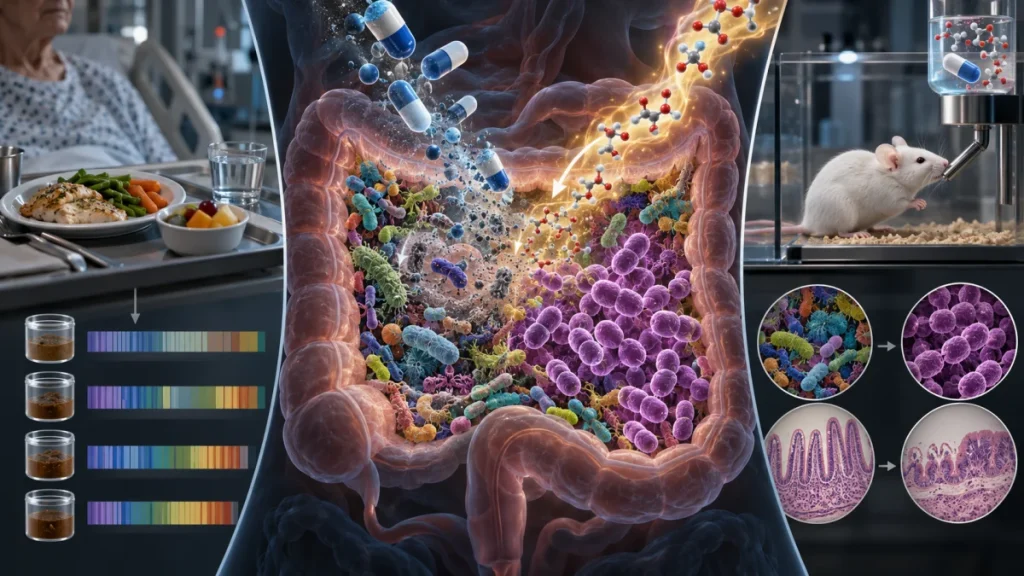
A prominent 2022 randomized controlled trial in Cell assigned 120 healthy adults to saccharin, sucralose, aspartame, stevia or control conditions for two weeks.
Each tested non-nutritive sweetener produced distinct microbiome and metabolomic changes. Saccharin and sucralose also significantly impaired glycemic responses in that experiment. Transferring microbiota from selected human participants to germ-free mice reproduced aspects of the glycemic response, strengthening the argument for a microbiome-mediated effect.
That is meaningful mechanistic evidence.
It is not evidence that sucralose “destroys the gut microbiome.”
The trial was short, the changes were compound- and person-specific, and other human studies have not uniformly reproduced harmful microbiome effects.
The defensible conclusion is:
Some non-sugar sweeteners can alter the human microbiome and glucose response. We do not yet know whether those changes translate into important long-term disease risk.
Acesulfame-K, neotame and advantame
These compounds receive less attention largely because consumers encounter their names less often, not necessarily because they are better or worse.
Acesulfame potassium, or Ace-K, is often blended with other sweeteners. It is rapidly absorbed and excreted and has been subjected to extensive toxicological review. EFSA’s 2025 re-evaluation did not identify a genotoxicity concern and established an updated acceptable daily intake.
Neotame is structurally related to aspartame but is dramatically sweeter, so exposure is extremely small. EFSA’s 2025 re-evaluation concluded there was no safety concern at reported and permitted uses and increased its acceptable daily intake.
Advantame is even more intensely sweet and likewise requires minute quantities.
For all three, the important distinction is between toxicological safety at authorized exposure and demonstrated health benefit.
There is no compelling evidence that people become healthier by seeking out Ace-K, neotame or advantame. Their value is primarily that they replace caloric sugar with very small amounts of sweetener.
Cyclamate: banned in the U.S. does not mean “proven carcinogen”
Cyclamate deserves inclusion because it remains available in multiple countries and older discussions often describe it as a cancer-causing sweetener banned by the FDA.
Cyclamates remain prohibited for food use in the United States as of 2026.
But the scientific history is more complicated than the word “banned” suggests.
Later reviews did not establish cyclamate itself as a human carcinogen, and IARC has classified cyclamates as Group 3: not classifiable as to carcinogenicity to humans because the available evidence was inadequate.
Its U.S. regulatory status should therefore be reported accurately without turning that status into proof of a cancer mechanism that has not been established.
Sorbitol, maltitol, mannitol, isomalt and lactitol: the GI problem
Most sugar alcohols are less completely absorbed than conventional sugar.
That is simultaneously their advantage and their weakness.
Less absorption generally means a smaller glucose and calorie burden. But material that reaches the colon can be fermented by intestinal bacteria, while poorly absorbed molecules can draw water into the bowel.
The result can be:
gas, abdominal distension, cramping and diarrhea.
Human research shows that polyol malabsorption and gastrointestinal symptoms are generally dose dependent and can become more pronounced when multiple polyols are combined. People with irritable bowel syndrome may be particularly sensitive.
Maltitol deserves special attention
Consumers often see “sugar alcohol” on a nutrition label and assume every listed gram behaves metabolically like erythritol.
It does not.
Maltitol has a considerably greater glycemic effect than erythritol and can meaningfully raise blood glucose, while still causing the GI effects associated with incompletely absorbed polyols.
A candy labeled “sugar-free” can therefore be very different metabolically depending on which sugar alcohol provides the bulk.
Do artificial sweeteners cause cancer overall?
Current evidence does not support the blanket claim that approved artificial sweeteners as a category cause cancer in humans.
A 2025 umbrella meta-analysis covering ten previous meta-analyses and 35 datasets found no significant overall association between artificial-sweetener consumption and cancer.
That reassuring result has an important limitation:
“Artificial sweeteners” are not one exposure.
Pooling aspartame, saccharin, sucralose and other compounds can answer whether the category shows a large overall epidemiological signal. It cannot prove that every individual molecule carries exactly zero risk.
The most credible current cancer controversy remains aspartame, and even there the evidence is possible hazard plus uncertain human risk, not established causation at typical intake.
Saccharin’s historic concern has substantially receded.
Cyclamate remains prohibited in the U.S. but is not classified as an established human carcinogen.
Cancer claims should therefore be evaluated compound by compound, not by repeating the word “artificial.”
Are sugar substitutes healthier than sugar?
This question has a surprisingly simple answer:
They can be—when they actually replace a meaningful amount of excess sugar.
A systematic review and network meta-analysis of 17 randomized controlled trials involving 1,733 adults found that replacing sugar-sweetened beverages with low- or no-calorie sweetened beverages produced modest improvements in body weight, BMI, body fat and some cardiometabolic measures. The effects generally moved in the same direction as replacing sugary drinks with water.
That does not mean diet soda is nutritionally equivalent to water.
It means the comparator matters.
Consider three scenarios:
A person drinking several sugar-sweetened sodas per day switches to a zero-calorie alternative.
A person drinking water begins drinking diet soda because they heard artificial sweeteners promote weight loss.
A person replaces a nutrient-dense unsweetened food with an ultra-processed “sugar-free” dessert.
Those are not the same nutritional intervention.
The benefit of a sugar substitute often comes primarily from what disappears from the diet when the substitute is introduced.
But didn’t WHO recommend against artificial sweeteners?
Yes—but the recommendation is widely misunderstood.
In 2023, WHO recommended against relying on non-sugar sweeteners as a strategy for long-term weight control or reducing chronic-disease risk.
WHO explicitly stated that the guideline was not a toxicological assessment of the safety of individual sweeteners and was not intended to replace established acceptable daily intake limits.
The recommendation also does not cover sugar alcohols such as erythritol and xylitol or low-calorie sugars such as allulose.
Much of WHO’s long-term evidence included observational studies, in which people consuming more non-sugar sweeteners sometimes had higher rates of obesity or metabolic disease.
That presents a classic reverse-causation problem.
People who already have obesity, diabetes risk or cardiovascular disease are more likely to choose diet products in the first place.
Randomized trials, in contrast, generally find modest weight benefits when low-calorie sweeteners actually replace caloric sugar.
Both findings can be true.
Non-sugar sweeteners are not a magic long-term weight-loss treatment.
And:
Replacing substantial added sugar with a low-calorie alternative can reduce caloric intake and modestly improve weight-related outcomes.
What did the newer year-long SWEET trial find?
A more recent randomized trial provides useful evidence.
The multicenter SWEET trial first placed adults with overweight or obesity through a two-month weight-loss phase. Participants were then randomized for ten months to healthy diets that either permitted or avoided sweeteners and sweetness enhancers.
At one year, the sweetener-permitted group maintained approximately 1.6 kilograms more weight loss than the comparison group.
Researchers also found different gut-microbiome patterns but no meaningful adverse differences in the major measured cardiometabolic markers.
Again, this does not identify one particular sweetener as healthiest.
It supports the broader proposition that using low-calorie sweetening strategies to replace sugar can fit within a healthy diet without automatically negating weight-control efforts.
Do sweeteners ruin the gut microbiome?
There is no good evidence for the sweeping claim that artificial sweeteners “destroy” the gut microbiome.
There is good evidence that at least some sweeteners can alter it.
The Cell randomized trial demonstrated individualized microbiome changes and glycemic effects from several non-nutritive sweeteners.
Other human trials have found much smaller or no detectable microbiome effects, including small longer-duration work involving stevia.
The long-term SWEET trial also found differences in microbial composition between diets that included and avoided sweeteners, without a corresponding signal of cardiometabolic harm over the study period.
So the evidence currently supports a more interesting conclusion than either side’s slogan:
Non-nutritive sweeteners are not necessarily metabolically inert, but microbiome change is not automatically microbiome damage.
The clinical significance is still being worked out.
Which sweetener is best for diabetes?
No sweetener should be marketed as a treatment for diabetes merely because it does not contain sucrose.
But replacing substantial amounts of sugar with a lower-glycemic alternative can obviously matter.
Allulose has particularly good evidence for reducing post-meal glucose and insulin excursions.
Tagatose also has favorable controlled-trial evidence, including a modest HbA1c signal in the 2026 meta-analysis.
Stevia does not materially contribute carbohydrate at ordinary doses and may produce small glucose effects, although evidence that it improves long-term glycemic control is weak.
Erythritol has almost no direct glycemic effect but now carries unresolved cardiovascular questions.
Maltitol is much less metabolically invisible than its “sugar alcohol” label might suggest.
For someone with diabetes, the entire food still matters. “Sugar-free” cookies can contain refined starch, fat and other carbohydrates even if sucrose has been removed.
Do sweeteners make people hungrier?
The theory is plausible: intensely sweet taste without equivalent calories could hypothetically disrupt learned relationships between sweetness, energy intake and appetite.
Human evidence has not established a universal compensatory hunger effect large enough to erase the calorie reduction when sugar is replaced.
If that compensation were routinely overwhelming, randomized replacement trials would be expected to show weight gain rather than modest weight loss. They generally do not.
Individual responses can still differ.
A person who drinks diet soda and then mentally “earns” a 700-calorie dessert may not reduce total calories. That is behavioral compensation, not proof that the sweetener itself created 700 calories.
Which sweetener is best for dental health?
The most important dental intervention is straightforward:
replace fermentable sugar.
Oral bacteria metabolize sucrose and other fermentable carbohydrates into acids that contribute to dental demineralization.
Sugar alcohols are substantially less cariogenic.
Xylitol has received particular attention and may provide additional benefits in gums and oral-care products, although the quality and consistency of the clinical evidence are not strong enough to treat it as a dental miracle.
For dental health, therefore, switching from frequently consumed sucrose candy or gum to a noncariogenic substitute is more important than arguing over whether xylitol has unique pharmacological properties.
What about sweeteners during pregnancy?
This is an area where strong claims in either direction exceed the evidence.
A 2024 systematic review and meta-analysis covering 19 studies and more than 200,000 pregnancies found an observational association between low-calorie sweetener consumption and preterm birth. Evidence involving gestational diabetes and other outcomes was less conclusive.
A 2025 systematic review examining prenatal low-calorie sweetener exposure and offspring outcomes concluded that there was insufficient evidence to establish effects on birth weight or later childhood overweight, with generally low-quality or imprecise evidence.
Observational pregnancy research is especially vulnerable to confounding by obesity, diabetes, diet quality and the reasons a person chose a sweetened product.
The prudent conclusion is therefore not that approved sweeteners have been shown to harm pregnancy.
It is:
Pregnancy is not a situation where there is strong evidence of benefit from deliberately increasing sweetener consumption, so unsweetened foods and beverages remain a sensible baseline when practical.
People with PKU require special management of aspartame because of phenylalanine.
What about children?
The same distinction between replacement and addition applies.
A systematic review incorporating randomized trials in children found that substituting non-nutritive-sweetened beverages for sugar-sweetened beverages resulted in less BMI gain, while observational studies were substantially less consistent.
That does not make artificially sweetened foods nutritionally necessary for children.
Water, milk when appropriate, fruit and other minimally processed foods do not need artificial sweetness to become healthy.
But if the practical comparison is a high-sugar beverage versus a noncaloric version, pretending the sugar content is irrelevant is not evidence-based either.
“Natural” versus “artificial” is mostly a marketing argument
One of the strangest inconsistencies in the sweetener debate is the assumption that processing origin predicts human health.
Stevia is celebrated because it comes from a plant.
Aspartame is feared because its name sounds chemical.
Allulose is literally a sugar but produces little of ordinary sugar’s metabolic response.
Erythritol can occur naturally and can even be produced inside the human body, yet it is currently the subject of one of the more interesting cardiovascular safety questions.
Saccharin is synthetic and carries a frightening historical reputation, even though the original rat cancer mechanism is no longer considered relevant to humans.
Monk fruit has a wholesome reputation while possessing far less long-term human safety data than aspartame.
The evidence does not sort itself neatly into:
natural = good
and
artificial = bad.
A more useful framework is:
compound + dose + metabolism + exposure + quality of evidence.
What should you actually use?
| Situation | Practical evidence-based choice |
|---|---|
| Coffee or tea | Stevia or monk fruit if you like them; using none is equally reasonable |
| Replacing table sugar in recipes | Allulose is one of the strongest current options; tagatose is also worth considering |
| Trying to reduce post-meal glucose | Allulose has strong acute evidence; stevia contributes essentially no carbohydrate at normal doses |
| Diabetes | Favor substitutes that genuinely displace sugar; do not assume every “sugar-free” product has minimal carbohydrate |
| Weight reduction | A low-calorie substitute can help if it meaningfully replaces caloric sugar; it is not a stand-alone weight-loss treatment |
| Dental health | Reducing fermentable sugar matters most; xylitol-containing gum may be useful |
| Sensitive stomach or IBS | Polyols including xylitol, sorbitol, maltitol, mannitol and others may be problematic; tolerance is dose dependent |
| Concerned about cardiovascular disease | Given unresolved evidence, avoiding very large habitual erythritol or xylitol intake is a reasonable precaution |
| High-temperature baking | Allulose or other suitable alternatives may be preferable to relying heavily on sucralose while high-temperature uncertainties remain |
| PKU | Avoid/restrict aspartame according to medical dietary guidance |
| Pregnancy | Unsweetened foods and drinks remain the simplest baseline; evidence does not justify consuming sweeteners for presumed health benefits |
| Home with dogs | Store xylitol with particular care; ingestion can be a veterinary emergency |
So what is the safest artificial sweetener?
If “safest” means the compound with the most reassuring scientific record, there is no defensible single winner because the quantity and type of evidence differ dramatically among compounds.
If “best” means which would we choose today for common purposes, the answer is more practical.
For a bulk, sugar-like replacement, allulose currently stands out.
Its post-meal glucose and insulin effects are well supported by controlled human trials, and no major safety signal comparable to the emerging erythritol/xylitol cardiovascular question has been established. But long-term disease prevention has not been demonstrated.
For a high-intensity sweetener, high-purity stevia is a reasonable first choice.
It adds essentially no sugar load, has undergone substantial safety assessment and has not produced a compelling human safety signal at ordinary use. Claims that it actively improves metabolic health remain much weaker.
Monk fruit is reasonable but understudied.
Its “natural” reputation should not be confused with a larger evidence base.
Aspartame is much safer-looking in the evidence than its internet reputation suggests.
The cancer question deserves continued study, but present evidence does not establish ordinary consumption as a cause of cancer.
Saccharin is another case where reputation substantially lags behind science.
Sucralose remains considered safe for authorized uses, but legitimate uncertainty around high-temperature use and individualized metabolic effects makes it harder to call the optimal choice.
Erythritol and xylitol deserve the most caution relative to how confidently they were marketed as healthy alternatives only a few years ago.
Their cardiovascular findings are not proof of harm, but they are substantial enough that dismissing them would be premature.
The most important rule may be to need less sweetness
There is one comparison that every sweetener loses:
unsweetened food does not require a sugar substitute.
Sweeteners are tools.
They are particularly useful when they allow someone to remove a meaningful amount of added sugar while still enjoying a diet they can maintain.
But a person does not need to replace every gram of removed sugar with another intense sweet signal.
Coffee can gradually become less sweet.
Yogurt can contain fruit rather than syrup.
Water does not require a flavor enhancer.
A diet can adapt.
That does not mean people need to fear sweeteners. It means the ultimate dietary goal should not necessarily be to identify a laboratory-perfect molecule that allows everything to remain maximally sweet forever.
Bottom line
The evidence does not support saying that artificial sweeteners as a class cause cancer, destroy the gut microbiome, cause diabetes or are universally worse than sugar.
It also does not support treating every sugar substitute as harmless simply because regulators permit it or because it occurs naturally.
The most defensible conclusions in 2026 are:
Allulose is currently one of the most attractive bulk sugar replacements, particularly for limiting post-meal glucose, but its long-term health benefits remain unproven.
High-purity stevia is one of the easiest high-intensity sweeteners to recommend when someone wants to reduce sugar.
Monk fruit looks reasonable but is much less studied in humans than its reputation suggests.
Aspartame’s cancer controversy is legitimate but routinely exaggerated; ordinary intake has not been established as a cause of human cancer.
Saccharin’s classic cancer scare is largely obsolete.
Sucralose remains acceptable at authorized intake levels, although microbiome, glycemic and high-temperature questions justify continued research.
Erythritol and xylitol now carry cardiovascular signals that warrant caution and better research—but saying they have been proven to cause heart attacks goes beyond the evidence.
And the biggest determinant of whether a sweetener improves someone’s diet may be the simplest one:
What did it replace?
Replacing excess added sugar with a well-studied lower-calorie alternative can be useful.
Replacing water with an artificially sweetened drink because the sweetener supposedly has “health benefits” probably is not.
That distinction is more scientifically meaningful than whether the ingredient came from a leaf, a fruit, a fermentation tank or a chemistry lab.
References and Further Reading
Rare sugars: allulose and tagatose
Glycemic and cardiometabolic effects of rare sugars allulose and tagatose: a systematic review and meta-analysis of controlled human intervention trials — The American Journal of Clinical Nutrition (2026) — The strongest current synthesis of controlled human allulose and tagatose trials; 20 studies and 1,033 participants. Finds meaningful post-meal glucose and insulin effects but little evidence of broader long-term cardiometabolic improvement.
Weight, sugar replacement and long-term diet
Association of Low- and No-Calorie Sweetened Beverages as a Replacement for Sugar-Sweetened Beverages With Body Weight and Cardiometabolic Risk — JAMA Network Open (2022) — Meta-analysis of randomized trials demonstrating why the comparator matters: replacing sugary beverages with low/no-calorie alternatives produces modest improvements in weight-related outcomes.
Effect of sweeteners and sweetness enhancers on weight loss maintenance and gut microbiome — Nature Metabolism (SWEET randomized trial, 2025) — Longer-duration randomized evidence finding modestly better weight-loss maintenance when sweeteners were permitted within a healthy lower-sugar dietary pattern.
Use of non-sugar sweeteners: WHO guideline — Important for understanding WHO’s conditional recommendation against relying on non-sugar sweeteners for long-term weight control. WHO explicitly states that this is not a toxicological safety assessment.
Aspartame and cancer
Carcinogenicity of aspartame, methyleugenol, and isoeugenol — The Lancet Oncology / IARC (2023) — Primary publication explaining the evidence behind IARC’s Group 2B “possibly carcinogenic” classification.
JECFA evaluation of aspartame — WHO/FAO risk assessment retaining an acceptable daily intake of 0–40 mg/kg/day after reviewing the 2023 evidence.
Artificial sweeteners and cancer risk: umbrella meta-analysis (2025) — Higher-level synthesis finding no significant overall association between artificial-sweetener consumption and cancer, while not ruling out compound-specific effects.
Erythritol and xylitol cardiovascular evidence
The artificial sweetener erythritol and cardiovascular event risk — Nature Medicine (2023) — Landmark observational and mechanistic investigation linking circulating erythritol with cardiovascular events and platelet/thrombosis biology.
Erythritol ingestion and platelet reactivity — Arteriosclerosis, Thrombosis, and Vascular Biology (2024) — Small controlled human experiment demonstrating acute increases in circulating erythritol and platelet responsiveness after a 30-gram dose.
Xylitol is prothrombotic and associated with cardiovascular risk — European Heart Journal (2024) — Parallel xylitol investigation reporting observational cardiovascular associations and mechanistic platelet findings.
Erythritol and cardiovascular disease: friend or foe? — Cardiovascular Research (2025) — Useful critical review discussing both the concerning evidence and the unresolved causality problems created by endogenous polyol production and limited intervention data.
Stevia, monk fruit and microbiome evidence
Effects of steviol glycosides on human glucose metabolism: systematic review and meta-analysis of randomized controlled trials (2024) — Finds a small fasting-glucose effect but no convincing HbA1c improvement and emphasizes limitations in evidence quality.
Personalized microbiome-driven effects of non-nutritive sweeteners on human glucose tolerance — Cell (2022) — Important randomized human experiment showing that several non-nutritive sweeteners can alter microbiota and that saccharin and sucralose affected glycemic responses in a person-specific manner.
Review of monk fruit mogrosides and metabolic effects (2026) — Useful for understanding monk-fruit metabolism and the large gap between extensive preclinical research and limited clinical evidence.
Sucralose, saccharin and other high-intensity sweeteners
EFSA 2026 re-evaluation of sucralose — Current comprehensive European risk assessment supporting safety at authorized uses while identifying uncertainty around certain high-temperature applications.
Saccharin safety threshold increased after EFSA re-evaluation (2024) — Explains why the classic male-rat bladder-cancer mechanism is not considered relevant to humans and why EFSA raised saccharin’s acceptable daily intake.
EFSA re-evaluation of acesulfame potassium (2025) — Current toxicological assessment of Ace-K.
EFSA re-evaluation of neotame (2025) — Current safety reassessment concluding that authorized exposures do not present a safety concern.
Polyols, dental health and special populations
Xylitol and sorbitol for prevention of dental caries in children and adolescents — Journal of Dentistry systematic review and meta-analysis (2024) — Supports potential dental benefits while broader literature continues to show variability in evidence quality.
Systematic review of polyols and gastrointestinal effects — Explains dose-dependent malabsorption, fermentation and GI symptoms associated with many sugar alcohols.
Xylitol toxicosis in dogs: an update — Veterinary review documenting potentially severe hypoglycemia and acute liver failure following canine xylitol exposure.
Low-calorie sweetener consumption during pregnancy: systematic review and meta-analysis (2024) — Summarizes observational pregnancy evidence, including the preterm-birth signal, and the substantial remaining uncertainty.
Non-nutritive sweeteners and body weight in children: systematic review and meta-analysis — Helps separate randomized substitution evidence from less consistent observational findings in pediatric populations.
Editorial currency note: Sweetener research is evolving unusually quickly. The cardiovascular evidence surrounding erythritol and xylitol, microbiome research, and regulatory evaluations of compounds such as sucralose have changed materially in recent years. Conclusions in this article reflect evidence available through August 2026 and should be revisited as larger prospective and randomized studies become available.