
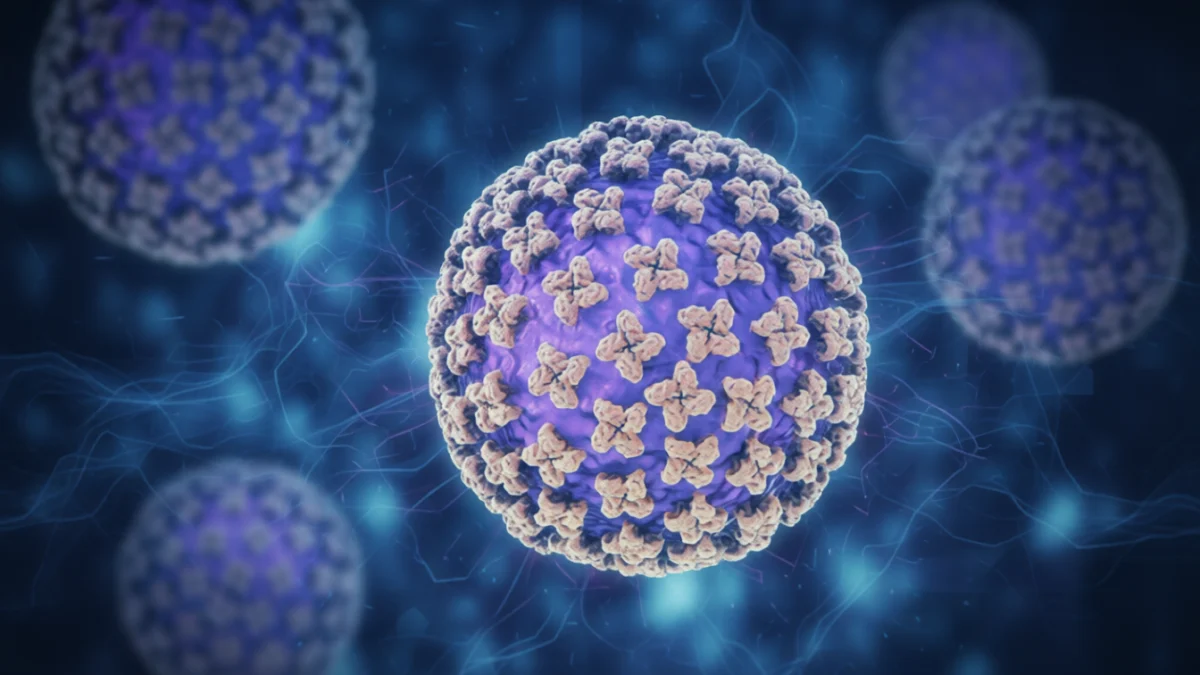
Hantavirus Updates: What’s Happening, How It Spreads, and What to Know
Last updated: July 9, 2026
Status: Living article — this page will be updated if public-health agencies publish new verified information.
Medical note: This article is for public information only and is not medical advice. If you may have been exposed to rodents, were aboard the MV Hondius, had close contact with someone under monitoring, or develop symptoms, contact a medical professional or your local public-health authority.
Latest update
Update — July 9, 2026: The multi-country Andes hantavirus outbreak linked to the Dutch-flagged expedition cruise ship MV Hondius is now considered contained and over.
On July 2, 2026, the World Health Organization said all identified contacts had completed the 42-day follow-up period, no additional secondary cases had been detected, and no further related transmission was expected. WHO’s final outbreak count was 13 total cases, including 12 laboratory-confirmed Andes virus cases, 1 probable case, and 3 deaths, for a reported case-fatality ratio of 23%.
The European Centre for Disease Prevention and Control also says the outbreak has been contained and declared over by WHO. ECDC’s final public dashboard lists 12 confirmed cases, 1 probable case, 0 suspected cases, and 3 deaths. ECDC says its page is no longer being regularly updated.
The current public-health message is now clearer than it was in May: this was a serious and unusual outbreak for exposed passengers, crew, close contacts, and healthcare responders, but it is not considered an ongoing public-health risk to the general public. WHO says the completion of contact follow-up without additional secondary cases confirms containment.
Situation at a glance
| Category | Current status |
|---|---|
| Outbreak | Andes hantavirus cluster linked to MV Hondius |
| WHO final status | Contained / over as of July 2, 2026 |
| Total reported cases | 13 |
| Laboratory-confirmed Andes virus cases | 12 |
| Probable cases | 1 |
| Deaths | 3 |
| Reported case-fatality ratio | 23% |
| Contacts followed | Hundreds across multiple countries and territories |
| General public risk | No ongoing public-health risk from this outbreak, according to WHO |
| Main virus identified | Andes virus |
| Main affected group | People who traveled aboard the MV Hondius |
| U.S. confirmed outbreak-linked Andes virus cases | No confirmed U.S. cases were reported by CDC as of its May 18 update |
What changed since the earlier May updates
When this page was first created, the outbreak was still active and under investigation. The early public-health concern was understandable because Andes virus is unusual among hantaviruses: it can, rarely, spread from person to person through close or prolonged contact.
The numbers changed over time:
| Date | Reported status |
|---|---|
| May 8, 2026 | WHO reported 8 cases, including 3 deaths |
| May 13, 2026 | WHO reported 11 cases, including 8 confirmed, 2 probable, 1 inconclusive, and 3 deaths |
| June 17, 2026 | ECDC listed 13 total cases, including 12 confirmed and 1 probable |
| July 2, 2026 | WHO declared the outbreak contained/over with 13 cases and 3 deaths |
WHO now says all confirmed cases were among people who traveled aboard the MV Hondius. Ten cases were admitted to hospitals; as of July 2, eight of those hospitalized patients had recovered and been discharged, while two were still receiving medical treatment, one in South Africa and one in France.
WHO also says the exact source and route of the initial exposure remain undetermined. Current information suggests the initial infections were likely acquired on land before embarkation, with subsequent human-to-human transmission occurring aboard the vessel. Investigations, including genomic sequencing from surveillance cases in Chile and Argentina, were still underway at the time of WHO’s final update.
Country-by-country outbreak status
This outbreak involved multiple countries because the MV Hondius carried passengers and crew from many places, traveled through remote South Atlantic locations, and triggered international contact tracing after passengers and crew returned home.
Important distinction: not every country listed below had confirmed infections. Some countries had confirmed cases; others had exposed passengers, contacts, healthcare workers, airport personnel, or travelers under monitoring.
United States
The United States had exposed passengers and contacts under monitoring, but CDC’s May 18 Health Alert Network update stated that no confirmed Andes virus cases associated with the MV Hondius outbreak had been reported in the United States as of May 18, 2026. CDC said the overall risk to the American public remained extremely low at that time.
CDC and state health departments monitored U.S. passengers from the ship and U.S. air-travel contacts of symptomatic ship passengers who were later confirmed to have Andes virus infection. CDC also issued testing guidance for clinicians and health departments because the outbreak raised the possibility of imported cases.
Separate from this cruise outbreak, hantavirus is already a rare but known disease in the United States. CDC reports that 890 laboratory-confirmed hantavirus disease cases were reported in the U.S. from the start of surveillance in 1993 through the end of 2023. These U.S. cases are generally linked to rodent exposure and are not the same as the MV Hondius Andes virus outbreak.
Netherlands
The Netherlands was central to the response because the MV Hondius is Dutch-flagged and operated by a Dutch expedition company. The ship ultimately returned to Rotterdam for quarantine procedures, cleaning, and disinfection.
AP reported that the ship docked in Rotterdam on May 18 with crew and medical personnel aboard, all under quarantine and testing protocols. Dutch public-health authorities oversaw disinfection and containment procedures, and officials said the public risk was minimal because of strict controls.
The Netherlands was also linked to the earliest severe cases. AP reported that a Dutch couple were among the people who died, and health officials believed they were likely exposed while traveling in South America before boarding.
United Kingdom
The United Kingdom played an important role in the early international alert. WHO says it was notified on May 2, 2026, by the United Kingdom’s National IHR Focal Point of a cluster of severe acute respiratory illness aboard the MV Hondius.
The UK was also linked through Tristan da Cunha, a British Overseas Territory. WHO’s July 2 update says that since the previous update on May 28, one probable case from Tristan da Cunha was laboratory confirmed. That patient developed symptoms after disembarking from the cruise ship, later recovered, and was discharged.
Tristan da Cunha
Tristan da Cunha became important late in the outbreak timeline because one probable case there was later laboratory confirmed. WHO says early detection and isolation prevented further transmission, but limited diagnostic capacity on the island delayed confirmation until a sample could be shipped and tested in the United Kingdom.
France
France was linked through a hospitalized case. WHO’s July 2 update said one patient in France remained under medical treatment.
AP reported that France’s Pasteur Institute sequenced the virus from a French patient and found that it matched known South American strains, with no sign that the virus had become more transmissible or more severe.
South Africa
South Africa was linked through hospital care and early outbreak investigation. WHO’s July 2 update said one patient in South Africa remained under medical treatment.
WHO also says South African authorities were among those rapidly notified after the initial UK notification, showing how the response required coordination across multiple national public-health systems.
Spain
Spain played a major operational role because the MV Hondius traveled to the Canary Islands during the response. Earlier updates described disembarkation and repatriation planning through Tenerife before the ship later traveled to Rotterdam.
Spain was also among the countries where confirmed cases were reported in earlier WHO updates. The ship’s arrival in Tenerife allowed public-health authorities to screen, disembark, repatriate, and manage passengers and crew under controlled conditions.
Canada
Canada was linked through exposed travelers and at least one presumptive positive cruise passenger reported during the May outbreak period. ECDC later incorporated the final outbreak count into its 13-case total.
Canadian public-health messaging emphasized that the risk to the general population was low and that person-to-person spread of Andes virus requires close or prolonged contact.
Argentina
Argentina is central to the exposure investigation because the MV Hondius departed from Ushuaia, Argentina, on April 1, 2026. CDC reported that the ship carried 147 people, including 86 passengers and 61 crew, from 23 countries, and traveled across the South Atlantic after leaving Argentina.
WHO says the available information suggests the initial infections were likely acquired on land before embarkation, although the exact source and route of exposure remain undetermined.
Argentina also has ongoing endemic hantavirus activity. PAHO reported increased hantavirus pulmonary syndrome activity in the Americas in 2025, especially in the Southern Cone, with Argentina among the countries reporting confirmed cases.
Chile
Chile matters because Andes virus is endemic in parts of South America, and WHO says genomic sequencing from surveillance cases in Chile and Argentina was part of the ongoing investigation into the outbreak source.
Chile was also among the countries in the Americas reporting hantavirus pulmonary syndrome activity in PAHO’s 2025 regional alert.
Uruguay, Brazil, Paraguay, Bolivia, and Panama
These countries were not necessarily confirmed MV Hondius outbreak countries, but they are important to the broader regional hantavirus context. PAHO reported that in 2025, eight countries in the Americas reported confirmed hantavirus pulmonary syndrome cases: Argentina, Brazil, Bolivia, Chile, Panama, Paraguay, the United States, and Uruguay. Together, they reported 229 confirmed cases and 59 deaths, a regional case-fatality rate of 25.7%.
PAHO specifically warned that hantavirus activity had increased in endemic countries of the Americas, particularly in the Southern Cone, and urged stronger surveillance, timely diagnosis, proper case management, and environmental and occupational risk reduction.
Germany, Switzerland, Australia, New Zealand, and other countries
Germany, Switzerland, Australia, New Zealand, and several other countries were linked through passenger nationality, repatriation, monitoring, travel history, or hospital care. Not all of these countries had confirmed infections publicly assigned to them by WHO or ECDC.
WHO says contact identification and follow-up occurred across 33 countries and overseas territories. These contacts included passengers and crew, contacts of the Tristan da Cunha case, contacts from two international flights, healthcare workers, and airport crew who assisted cases before the outbreak was detected.
Why this outbreak mattered
This outbreak mattered for three reasons.
First, hantavirus can be severe. It is rare, but when hantavirus pulmonary syndrome develops, it can be life-threatening.
Second, the virus was identified as Andes virus, which is unusual because it is the only hantavirus known to spread person-to-person. CDC says this type of transmission is rare and generally associated with prolonged close contact.
Third, the outbreak happened in a cruise-ship setting. Ships create complex public-health problems because passengers and crew share enclosed spaces, travel across borders, and may return to multiple countries before an outbreak is fully understood.
What is hantavirus?
Hantaviruses are a family of viruses carried mainly by rodents. People usually become infected through contact with urine, droppings, saliva, nesting material, or contaminated surfaces from infected rodents. Exposure often happens when people clean or enter rodent-infested spaces, especially enclosed areas where contaminated dust can be stirred into the air.
Hantaviruses can cause different illnesses. In the Americas, New World hantaviruses can cause hantavirus pulmonary syndrome, a severe disease that affects the lungs. In Europe and Asia, Old World hantaviruses are more commonly associated with hemorrhagic fever with renal syndrome, which affects the kidneys. CDC notes that Seoul virus, which can cause hemorrhagic fever with renal syndrome, is found worldwide, including in the United States.
What is Andes virus?
Andes virus is a type of hantavirus endemic in parts of South America. It can cause hantavirus pulmonary syndrome, a severe respiratory disease.
The key point is that Andes virus is different from most hantaviruses because it can, rarely, spread from person to person. CDC says this kind of spread is generally associated with close or prolonged contact, including direct physical contact, time spent in close or enclosed spaces, or exposure to saliva, respiratory secretions, or other body fluids from a symptomatic person.
This does not mean Andes virus spreads like measles, flu, or COVID-19. Public-health agencies describe person-to-person transmission as limited and close-contact based.
How hantavirus spreads
Most hantavirus infections are linked to rodents, not casual contact with other people.
Higher-risk situations include:
- Cleaning cabins, sheds, barns, garages, storage rooms, attics, basements, or vacation homes where rodents may have nested
- Sweeping or vacuuming dry rodent droppings, which can stir contaminated particles into the air
- Camping, hiking, farming, forestry, field work, or spending time near rodent habitats
- Handling contaminated nesting material, food-storage areas, traps, or dead rodents without precautions
- Working in enclosed or poorly ventilated spaces where rodent urine, droppings, or nesting material may be present
For Andes virus specifically, there is an additional close-contact concern. Transmission can occur through direct contact with a symptomatic infected person, exposure to contaminated bedding or body fluids, or prolonged time in close spaces with someone who is sick.
Symptoms to watch for
Symptoms can resemble flu at first.
Early symptoms may include:
- Fever
- Fatigue
- Muscle aches
- Headache
- Chills
- Dizziness
- Nausea
- Vomiting
- Diarrhea
- Abdominal pain
Later symptoms can include:
- Cough
- Shortness of breath
- Chest tightness
- Difficulty breathing
- Rapid worsening of respiratory illness
CDC says symptoms of hantavirus pulmonary syndrome caused by Andes virus usually appear 4 to 42 days after exposure. Late respiratory symptoms can appear several days after the initial phase of illness.
Anyone who develops flu-like symptoms after possible rodent exposure, after travel linked to the MV Hondius, or after close contact with a person being monitored for Andes virus should seek medical care promptly and mention the possible exposure.
Incubation period and why monitoring lasted 42 days
Public-health agencies monitored contacts for 42 days because Andes virus symptoms can appear weeks after exposure. WHO says all identified contacts completed the 42-day follow-up period by local health authorities, in line with WHO guidance.
That 42-day monitoring window is one reason the outbreak remained under watch even after passengers had disembarked and returned home. A person could appear healthy at first but still require monitoring during the incubation period.
How serious is it?
Hantavirus infections are rare, but they can be severe. In this outbreak, WHO reported 13 cases and 3 deaths, a case-fatality ratio of 23%.
CDC has stated that hantavirus pulmonary syndrome can be life-threatening and that among patients with severe respiratory symptoms, the case-fatality rate has been estimated at approximately 38%.
There is no specific cure for hantavirus infection. CDC says early supportive care is critical because patients with suspected hantavirus pulmonary syndrome can deteriorate rapidly, and delayed care reduces the chance of survival.
Risk to the general public
The general public risk from this outbreak is no longer considered ongoing. WHO says the outbreak no longer poses a public-health risk and that no further related transmission is expected.
ECDC says the outbreak has been contained and declared over by WHO, and that its outbreak page is no longer being regularly updated.
For readers in the United States, the practical point is also clear: CDC’s May 18 update said no confirmed Andes virus cases associated with the MV Hondius outbreak had been reported in the United States, and that the overall risk to the American public remained extremely low.
That said, ordinary rodent-associated hantavirus remains a rare domestic risk in the United States and other countries. The lesson from this outbreak is not panic. It is basic prevention, fast reporting, and careful public-health follow-up when rare infections appear in travel settings.
How to reduce risk
The best prevention is rodent control and safe cleanup.
Basic prevention steps:
- Seal holes and gaps where rodents can enter homes, cabins, garages, sheds, barns, or storage spaces.
- Store food, pet food, and trash in sealed containers.
- Avoid stirring up dust in areas with rodent droppings.
- Do not dry sweep or vacuum rodent droppings.
- Ventilate enclosed spaces before cleaning.
- Wet contaminated areas with disinfectant before cleanup.
- Wear gloves when handling contaminated materials.
- Follow public-health guidance for traps, dead rodents, and heavily contaminated spaces.
- Seek professional cleanup help for heavy infestations.
For Andes virus exposure risk:
- Avoid close personal contact with someone suspected or confirmed to have Andes virus unless following medical or public-health guidance.
- Avoid direct contact with body fluids from a sick person.
- Follow quarantine, isolation, testing, and monitoring instructions if identified as exposed.
- Tell clinicians about any relevant cruise, rodent, or close-contact exposure if symptoms develop.
What is still unknown
Even though the outbreak is contained, several important scientific and investigative questions remain:
- Where the initial exposure occurred
- Whether the first infections came from rodent exposure before boarding, during travel, during excursions, or another source
- How much person-to-person transmission occurred aboard the ship
- Whether environmental testing or travel-history review identifies a specific source
- Whether genomic sequencing from Chile, Argentina, and outbreak cases clarifies the transmission chain
- Whether cruise and expedition operators will change screening, cleaning, or medical-response protocols after this incident
WHO says the exact source and route of exposure remain undetermined, and that investigations, including genomic sequencing of Andes virus samples from surveillance cases in Chile and Argentina, were still underway as of the July 2 update.
Broader hantavirus activity in the Americas
The MV Hondius outbreak received global attention, but hantavirus is not new. It is endemic in several regions and usually linked to rodent exposure.
PAHO reported increased hantavirus pulmonary syndrome activity in the Americas in 2025. Through epidemiological week 47 of 2025, eight countries in the Americas reported confirmed cases: Argentina, Brazil, Bolivia, Chile, Panama, Paraguay, the United States, and Uruguay. Together, they reported 229 confirmed cases and 59 deaths, a regional case-fatality rate of 25.7%.
PAHO warned that activity had increased in endemic countries, particularly in the Southern Cone, and urged countries to strengthen surveillance, diagnosis, case management, and environmental and occupational risk reduction.
Update log
July 9, 2026 — Updated the page to reflect WHO’s July 2 declaration that the MV Hondius Andes hantavirus outbreak is contained and over. Added WHO’s final count of 13 cases, including 12 laboratory-confirmed cases, 1 probable case, and 3 deaths. Added WHO’s statement that all identified contacts completed follow-up and no further related transmission is expected.
June 17, 2026 — ECDC listed 13 total cases, including 12 confirmed and 1 probable, with 3 deaths. ECDC later noted that WHO declared the outbreak contained and over.
May 18, 2026 — CDC issued a Health Alert Network update on testing for potential hantavirus infection, stating that no confirmed U.S. Andes virus cases associated with the cruise-ship outbreak had been reported as of May 18 and that the overall risk to the American public remained extremely low.
May 8, 2026 — CDC issued a Health Alert Network advisory informing clinicians and health departments about the new cluster of Andes virus cases linked to the MV Hondius. CDC noted that the ship departed Ushuaia, Argentina, on April 1, 2026, with 147 people from 23 countries.
May 2, 2026 — WHO received notification from the United Kingdom’s National IHR Focal Point of a cluster of severe acute respiratory illness aboard the MV Hondius.
Sources being monitored
This page prioritizes information from:
- World Health Organization
- European Centre for Disease Prevention and Control
- U.S. Centers for Disease Control and Prevention
- Pan American Health Organization
- Public Health Agency of Canada
- UK Health Security Agency
- National public-health agencies in affected countries
- Reputable international reporting, especially AP, when it cites named public-health officials, hospitals, agencies, or ship operators
Bottom line
The MV Hondius hantavirus outbreak was serious, unusual, and internationally complex, but it is now considered contained and over.
The final WHO count is 13 cases and 3 deaths. All confirmed cases were among people who traveled aboard the MV Hondius. Hundreds of contacts across multiple countries and territories completed monitoring, and WHO says no further related transmission is expected.
For readers in the United States, the key point is that CDC reported no confirmed U.S. Andes virus cases associated with this outbreak as of its May 18 update. Monitoring exposed people was a precaution, not proof of infection.
The practical takeaway is not panic. It is prevention: avoid rodent exposure, clean contaminated areas safely, take flu-like symptoms seriously after possible exposure, and follow public-health guidance quickly when rare infections appear in travel or close-contact settings.