Overview: Multi-Ingredient Headache Relief
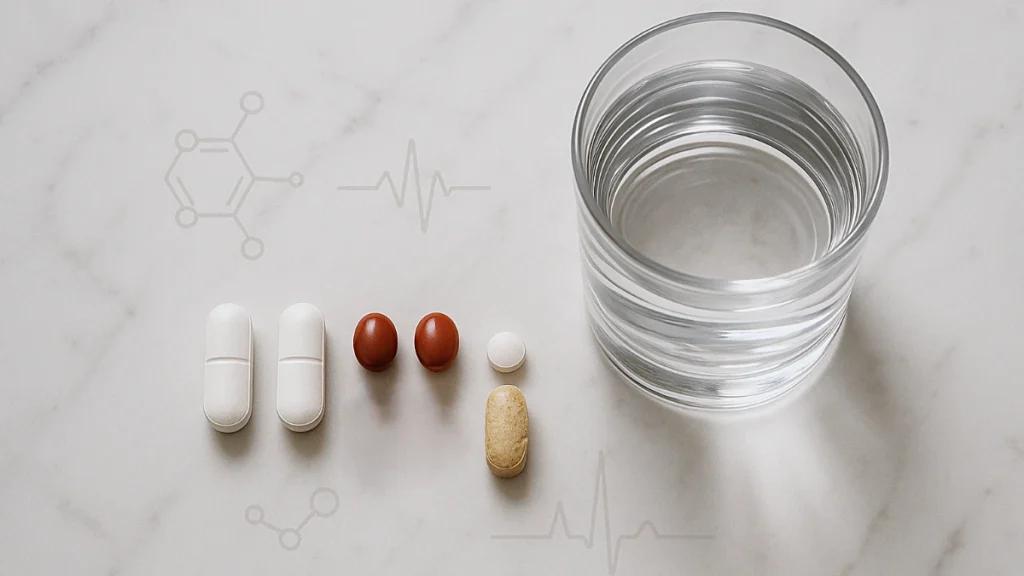
Imagine defeating a stubborn headache with a combination therapy: 2 Excedrin (each containing 250 mg acetaminophen, 250 mg aspirin, 65 mg caffeine), 2 ibuprofen (about 200 mg each), 1 cetirizine (10 mg), a multivitamin, all taken with a tall 16 oz (≈ 0.5L) glass of water.
This is an occasional-use, adult-only protocol and not for daily or frequent headaches. If your headache is completely new, unusually severe, or significantly different from your normal pattern, seek medical care. This protocol is for typical, familiar headaches in otherwise healthy adults. Furthermore, this is an educational explanation of how certain OTC medications work together and why some people find this combination helpful. Always consult a clinician before following any protocol, especially if you have medical conditions or take medications.
This six-pill cocktail may sound heavy, but many swear by its rapid relief – often within 15 minutes. Why would mixing medications work better than any single remedy? The answer lies in multi-modal pain relief, where each ingredient tackles pain from a different angle. In this article, we’ll break down the scientific mechanisms that make this combo so effective, discuss its superiority over single drugs, and also cover safety, side effects, and responsible use.
Multi-Pathway Approach: Each component of this remedy targets a different pathway involved in headaches. By accumulating their effects, the combination delivers a one-two (or rather six-fold) punch to headache pain[1][2]. Acetaminophen, aspirin, and ibuprofen are pain relievers with complementary mechanisms; caffeine boosts their efficacy; cetirizine addresses any allergy-related contributors; the multivitamin covers potential nutrient gaps; and water alleviates dehydration. This comprehensive approach is akin to attacking the headache’s causes and symptoms on multiple fronts at once.
Importantly, headache types vary (tension, migraine, sinus, etc.), and this combo is designed to cover many bases. While no remedy is 100% guaranteed for everyone, the reported success of this particular mix suggests a synergy that often outperforms single medications. In fact, research has shown that certain combination therapies can be more effective than single drugs for headaches[3]. Let’s explore how each ingredient contributes to fast relief.
How Each Ingredient Works
Acetaminophen: Elevating the Pain Threshold
Acetaminophen (the active ingredient in Tylenol) is a centrally-acting analgesic. It relieves pain by working in the central nervous system to inhibit pain-signaling chemicals (prostaglandins) and by raising your pain threshold[4]. In simple terms, acetaminophen makes pain messages less intense so that ordinary aches (like headache pain) aren’t felt as strongly. Unlike NSAIDs, acetaminophen is not a strong anti-inflammatory in peripheral tissues, but it excels at reducing the perception of pain in the brain. By including acetaminophen, our combo targets head pain from “inside” the nervous system, damping the pain signals that cause that throbbing or aching feeling.
Acetaminophen alone is a common headache remedy, but on its own it might sometimes fall short for severe headaches. That’s why combining it with other agents helps. Notably, clinical practice often endorses acetaminophen combined with other drugs for better pain relief[5][6]. In fact, the FDA has recognized the acetaminophen-aspirin-caffeine combo (as found in Excedrin) as safe and effective for acute headaches, even superior to acetaminophen alone in tension-type headaches[7]. This superior effect is partly because acetaminophen’s central pain relief is amplified by the other ingredients we’re about to discuss.
Aspirin: Reducing Inflammation and Pain
Aspirin (acetylsalicylic acid) is a nonsteroidal anti-inflammatory drug (NSAID) that tackles headaches by blocking the production of prostaglandins – inflammatory chemicals that cause pain and swelling[8]. During a headache or migraine, prostaglandins and other inflammatory substances can dilate blood vessels and sensitize nerves in your head, contributing to pain. Aspirin quells this inflammation at the source: it irreversibly inhibits the COX enzymes that produce prostaglandins, thereby reducing the inflammation and vascular swelling that trigger pain signals[9]. By calming inflamed blood vessels and nerves, aspirin helps “turn off” pain triggers in the periphery (outside the brain).
In our combination, aspirin works alongside ibuprofen (another NSAID) to provide a robust anti-inflammatory effect. While aspirin and ibuprofen have similar action, aspirin’s unique ability to thin the blood (by preventing platelet clumping) doesn’t directly cure a headache but is worth noting as a difference. More relevant here is that aspirin’s pain-relieving power complements acetaminophen’s central action. Aspirin is a time-tested headache remedy on its own – indeed, high-dose aspirin (500–1000 mg) is a first-line therapy for moderate to severe headaches[10]. Used together with other analgesics, it contributes significantly to pain relief. Medical literature even notes that aspirin can be combined with ibuprofen (400 mg) for tension headaches to enhance relief[11]. In our combo, aspirin’s anti-inflammatory punch helps knock out headache pain, especially if inflammation or swollen blood vessels are involved (as is often the case in migraines and some tension headaches).
Ibuprofen: An Extra Anti-Inflammatory Punch
Ibuprofen is another NSAID, like aspirin, but with some differences in how it’s processed and its duration of action. Ibuprofen blocks prostaglandin production as well, reducing inflammation and pain. Including ibuprofen on top of aspirin might seem redundant – both are NSAIDs – but there is evidence that combining different pain relievers can produce better relief for severe pain than using either alone[12][13]. Ibuprofen tends to be very effective for many types of pain (headaches, muscle aches, etc.), and in this cocktail it adds a second layer of anti-inflammatory effect. Essentially, while aspirin is working, ibuprofen is also working to reduce the inflammation and pain signaling. This can be especially helpful for throbbing headaches where inflammation of blood vessels or tension in muscles is a factor.
Mechanistically, ibuprofen and aspirin both inhibit COX enzymes, but ibuprofen’s effect is reversible (it wears off more quickly) while aspirin’s is irreversible on the enzyme. By taking both, you might achieve a broader or more sustained suppression of prostaglandins, theoretically. More practically, consider that Excedrin (aspirin/acetaminophen/caffeine) targets migraine pain well, but some headaches have more inflammation or last longer – adding ibuprofen can give extended relief due to its longer half-life at analgesic doses and strong anti-inflammatory action.
It’s worth noting that acetaminophen + ibuprofen combinations are widely recommended by doctors for acute pain management, because they work via different pathways and organs and thus together provide greater pain relief without interfering with each other[13][12]. Some studies even found that combining acetaminophen with an NSAID can equal or outperform opioid pain medications for certain acute pains[13]. In our headache context, aspirin and ibuprofen together are two NSAIDs, which isn’t common for long-term use but for a one-off headache dose can strongly reduce inflammation. The key is that by the time the headache is fading, you won’t need another dose for many hours. This dual-NSAID approach should only be occasional, though – more on safety in a later section.
Caffeine: The Amplifier
Caffeine might seem like an odd inclusion – after all, it’s a stimulant we associate with coffee. But caffeine is actually a well-known headache remedy booster. It’s included in Excedrin for a reason: caffeine increases the potency of analgesics like aspirin and acetaminophen by up to 40%[14]. In pharmacological terms, caffeine is an adenosine receptor antagonist and mild vasoconstrictor. During a migraine, blood vessels in the brain can dilate (widen) causing pain; caffeine causes blood vessels to constrict, counteracting that dilation. This can directly relieve headache pain, especially in migraines where vascular dilation is a culprit. Moreover, caffeine improves the absorption of medications – it helps the stomach absorb drugs like acetaminophen faster and can even prolong their half-life in the bloodstream[15]. In one study, adding ~100 mg of caffeine to a standard dose of an analgesic led to a small but significant increase in pain relief for post-surgical pain[16]. Another study showed adding 100 mg caffeine to 400 mg ibuprofen worked better against dental pain than ibuprofen alone[16].
For headaches, caffeine’s benefits are twofold: it speeds up relief and enhances pain reduction. By including caffeine (130 mg total from two Excedrin pills, roughly equivalent to a strong cup of coffee), our combo ensures the other painkillers kick in quickly and forcefully. Caffeine also has mild mood and alertness benefits, which can counteract the grogginess of a headache or of taking an antihistamine. It’s such an effective add-on that professional headache societies acknowledge the aspirin/acetaminophen/caffeine mix as an effective first-line treatment for migraines[7]. So, caffeine is our “amplifier,” making the entire cocktail more than the sum of its parts[14].
Why 130 mg caffeine? That’s the dose provided by 2 Excedrin tablets (65 mg each). Research suggests around 100 mg of caffeine is enough to significantly boost analgesic effect[16], so the dose in this recipe is right in the therapeutic sweet spot. It constricts dilated blood vessels in the head (easing migraine throbbing), reduces inflammation slightly, and helps the body absorb and utilize the other meds effectively. No wonder those who try Excedrin often find it works when plain painkillers didn’t – caffeine is the secret sauce.
Cetirizine: Addressing Histamine and Allergic Triggers
Cetirizine (brand name Zyrtec) is an antihistamine typically used for allergies. Why include an allergy pill for a headache? There are a couple of plausible reasons. First, histamine (the chemical released during allergic reactions) can cause inflammation and vasodilation in the sinuses and brain, potentially triggering headaches in susceptible people[17][18]. For example, “allergy headaches” or sinus headaches result from nasal congestion and sinus pressure due to histamine-driven inflammation[17]. By blocking histamine H1 receptors, cetirizine can reduce this allergic inflammation and sinus swelling, relieving pressure in your head. In short, if your headache has any allergy or sinus component, cetirizine helps clear the sinuses and reduce pressure, tackling that cause of head pain.
Secondly, emerging research suggests a connection between histamine and migraines. Histamine can trigger migraines in some patients, and studies have explored antihistamines as a preventive or adjunct treatment for migraines[19]. In fact, one study found that cetirizine use was associated with significantly fewer and milder migraine attacks[19]. The proposed mechanisms are that antihistamines might reduce neurogenic inflammation (inflammation of nerve endings) and modulate pain pathways involved in migraines[20][21]. Cetirizine is a second-generation antihistamine, so it’s less sedating than older antihistamines (like diphenhydramine), but it still can have a slight calming effect in some people – potentially helping if tension or poor sleep set off the headache.
In our combo, cetirizine serves as a targeted strike against any histamine-related contributors to the headache. It’s like an insurance policy: if your headache is partly due to allergies (seasonal triggers, pet dander, etc.) or histamine release, the cetirizine will help neutralize that cause. If histamine isn’t involved, cetirizine won’t do much for the pain directly – but it also generally won’t hurt (aside from possible mild drowsiness). Importantly, by reducing allergy symptoms, it may prevent a cascade where allergy congestion leads to sinus pressure, which leads to a headache[22][18]. Many “migraine cocktails” given in emergency settings include an antihistamine (often diphenhydramine); our home version uses a modern non-drowsy antihistamine to similar rationale. Overall, cetirizine adds an anti-inflammatory, anti-allergy dimension to the treatment, covering a cause of headaches that standard painkillers don’t address.
Multivitamin & Hydration: Nutritional and Fluid Support
Rounding out the regimen is a generic multivitamin and a hefty 16 oz glass of water. These might not sound like medicine, but they play important supporting roles:
Multivitamin
Headaches can sometimes be exacerbated (or even caused) by deficiencies in certain vitamins or minerals. For instance, low levels of B vitamins, vitamin D, or magnesium have been linked to increased headache frequency in some people[23][24]. Magnesium in particular is known to help with migraines – magnesium deficiency is associated with migraines and tension headaches[24], and magnesium supplements can reduce migraine frequency in some cases. A standard multivitamin often contains a modest amount of magnesium and B vitamins (like B2 riboflavin, which at high doses can prevent migraines). While a single multivitamin dose won’t megadose these nutrients, it ensures your body isn’t missing any key micronutrient at that moment. Think of it as closing any nutritional loophole that a headache could exploit. Even mild dehydration or poor diet (say, you skipped a meal) could mean low electrolytes or glucose – a multivitamin gives a broad spectrum of what your body may need to rebalance. There’s also a placebo or psychological effect: taking a multivitamin feels like you’re doing something positive for your health, which can reduce stress and worry about the headache. Overall, the multivitamin covers the “could it be because I’m low on X?” question – be it magnesium, vitamin D, or others – thereby addressing hidden causes of headache in some cases[23].
Water (16 oz / 0.5L)
Dehydration is a notorious headache trigger. Even mild dehydration can cause the brain to contract slightly and pull away from the skull’s lining, activating pain receptors and leading to a dehydration headache[25]. Drinking water often relieves this by rehydrating the brain and restoring fluid balance, usually easing pain within 30 minutes to a couple of hours[26][27]. In our remedy, drinking a large glass of water is crucial. It rapidly corrects any fluid deficit (sometimes we get headaches simply from not drinking enough through a busy day). Rehydration plumps the brain back to normal volume and pressure, stopping the “pull” on membranes that causes pain[25]. Moreover, water helps the kidneys and liver process the medications safely and speeds their delivery throughout the body (good circulation). It can also help with any stomach irritation the pills might cause. By pairing the meds with 16 ounces of water, we treat the common “tension headache by dehydration” scenario. In fact, one small study found that about two cups of water relieved headache for many dehydrated individuals within 30 minutes[28]. Hydration is such a simple and effective measure that it’s recommended as a first step for headaches: drink water and rest; if the headache was due to dehydration, it should improve[29][25]. Thus, water is an integral part of this combo’s effectiveness, not an afterthought.
Finally, taking a moment to drink water and swallow vitamins/meds forces you to pause and relax briefly. That act of stopping, breathing, and hydrating can help tension headaches in and of itself. Many headaches (especially tension-type) improve when you break from stress and give yourself a moment – having to drink a full glass encourages exactly that behavior.
Synergy: Why the Combination Works So Well
Each ingredient above has a role, but the real magic is how they work together synergistically. Let’s recap the key synergistic benefits:
Different Mechanisms, Combined Effect
Acetaminophen targets pain in the central nervous system, while aspirin and ibuprofen reduce peripheral inflammation and pain. Caffeine enhances both, making each painkiller more effective[14]. Cetirizine tackles any histamine-driven pain/inflammation, and water + vitamins fix dehydration or deficits. Because each component works via a different mechanism, we cover all bases – what one misses, another catches. This “accumulation of effects” is exactly how the Excedrin-type combo achieves its power[1].
Faster Onset
Caffeine’s boost means the analgesics get absorbed quicker and reach peak effect sooner[15]. Plus, washing everything down with plenty of water speeds dissolution and absorption in the stomach. Many users of this combo report relief in ~15 minutes, which aligns with the expected faster uptake. One might say it’s a homemade fast-acting migraine cocktail.
Greater Pain Relief
Studies confirm that combination analgesics can provide significantly more pain relief than single drugs. For example, a renowned trial showed the acetaminophen/aspirin/caffeine mix was more effective than any of its single ingredients alone for migraines[3]. Another review found that pairing acetaminophen with an NSAID yields better results for acute pain than either alone[12]. Here we have three pain relievers (acetaminophen, aspirin, ibuprofen) plus an enhancer (caffeine). It’s not surprising that such a combo often “knocks out” a headache that resisted a single medication. In essence, we are executing a multi-pronged attack on pain: blocking pain signals in the brain, reducing inflammation locally, and narrowing dilated vessels, all at once.
Addresses Multiple Headache Types
Because the combo has diverse actions, it works for different kinds of headaches. Tension headache from stress? Ibuprofen + aspirin ease muscle/inflammatory pain, acetaminophen dulls the ache centrally, water rehydrates tense muscles. Migraine with throbbing and nausea? Aspirin/ibuprofen calm inflamed vessels, caffeine constricts them and boosts effectiveness, acetaminophen raises your pain threshold, and cetirizine might reduce associated sinus/allergy components (some migraines are seasonal or histamine-related[19]). Sinus headache from allergies? Cetirizine relieves sinus swelling and congestion (with water helping mucus clear), while the analgesics handle the pain. By casting a wide net, the combination has a high chance of covering whatever the root cause of a given headache is, which is why so many people find it reliable.
Prevention of Hang-on Symptoms
Sometimes a headache persists because one factor wasn’t addressed – say you took a painkiller but were still dehydrated, or you reduced inflammation but histamine was still irritating nerves. This combo’s comprehensiveness prevents those “loopholes.” It’s like locking all doors and windows so the headache has no escape route to continue.
All these factors explain why this six-pill regimen has a reputation for “fixing a headache perfectly all the time” (when taken as instructed). It’s essentially the over-the-counter equivalent of what an ER might give for a severe headache: there, a patient might get an NSAID injection, IV fluids, maybe caffeine, and perhaps an antihistamine or anti-nausea med. Our combo mirrors that: NSAIDs (aspirin/ibu), analgesic (acetaminophen), caffeine, an antihistamine, vitamins (nutrients), and fluid. No single ingredient is magical by itself; it’s the orchestration of multiple mechanisms that yields quick, complete relief.
Safety, Side Effects, and Responsible Use
With great power (in pills) comes great responsibility. While this combination is available with everyday OTC items, taking multiple medications together means we must be mindful of safety and side effects. Here are important considerations:
Dose and Frequency
The doses described (500 mg acetaminophen, 500 mg aspirin, 400 mg ibuprofen, 130 mg caffeine, 10 mg cetirizine) are each within typical safe single doses for adults. However, it’s a potent mix to use occasionally, not something to take daily. Acetaminophen should not exceed 3,000–4,000 mg in a day from all sources due to liver risk. Ibuprofen should not exceed 1,200 mg OTC daily (and chronic use can harm kidneys or stomach). Aspirin likewise shouldn’t be high-dose daily unless advised by a doctor. Stick to the recommended amounts and avoid re-dosing too soon. If one combo dose doesn’t help a headache at all, do not immediately pile on more pills – at that point, it may be a headache that needs medical evaluation.
Stomach and GI Effects
Aspirin and ibuprofen both can irritate the stomach lining and increase the risk of gastrointestinal bleeding or ulcers, especially when taken together or on an empty stomach[30]. Taking two NSAIDs at once is generally not recommended for routine use because of this ulcer/bleeding risk[30]. Therefore, make sure you’ve eaten something or at least have that full glass of water. Consider a small snack with the pills (a few crackers or a banana) to cushion your stomach. For most healthy people, doing this infrequently (e.g., in a bad headache emergency) is tolerated, but those with a history of ulcers, gastritis, or acid reflux should be cautious. Signs of stomach upset or bleeding (like black/tarry stools, abdominal pain, vomiting blood) are serious – seek medical help if they occur. Again, occasional use is key; if you need this combo often, medical guidance is advised.
Medication Interactions
If you take daily medications or have health conditions, check for interactions. For example, if you take low-dose aspirin daily for heart protection, taking ibuprofen at the same time can reduce aspirin’s cardioprotective effect[31][32]. A workaround if needed is to space ibuprofen a couple hours apart from aspirin. Also, aspirin and ibuprofen both thin the blood a bit, so combined they increase bleeding risk (as noted). Acetaminophen doesn’t have those issues but is metabolized by the liver – avoid alcohol around the time of taking it to reduce liver strain. Cetirizine can safely be taken with painkillers and caffeine (no major interactions), but combining cetirizine with other sedatives (like alcohol, certain anxiety meds) could add drowsiness. Caffeine, of course, is a stimulant – if you are sensitive to caffeine or have heart rhythm issues, be mindful that 130 mg caffeine might cause jitters or a temporary blood pressure rise. Pregnant or nursing mothers should consult a doctor before taking this combo: acetaminophen is generally safe, but high-dose aspirin and too much caffeine are not recommended in pregnancy, and antihistamines should be cleared by a doctor.
Side Effects
Beyond stomach concerns, each component has its own possible side effects. Aspirin and ibuprofen can cause indigestion, heartburn, or rare allergic reactions (aspirin can trigger asthma attacks in sensitive individuals). Acetaminophen in normal doses is usually side-effect free, but in rare cases can cause a rash or, if overdosed, liver damage. Caffeine might cause jitters, anxiety, a fast heartbeat, or sleeplessness (so avoid using this combo late at night if you plan to sleep – that much caffeine can keep you up). Cetirizine is usually non-drowsy, but about ~10% of people might feel a bit sleepy or foggy on it[33][34]. It can also cause dry mouth. A multivitamin might make your urine bright yellow (that’s just excess B2 vitamin – harmless) or occasionally cause mild nausea if taken on an empty stomach. Drinking water too fast can lead to a “sloshing” feeling or even trigger nausea – it’s best to sip steadily rather than chug 16 oz at once[35].
Who Should Avoid This Combo
People with certain conditions should avoid some or all of these ingredients. For instance, anyone with a known allergy to aspirin or NSAIDs (or who has aspirin-sensitive asthma) should not take aspirin or ibuprofen. Those with chronic kidney disease should minimize NSAIDs like ibuprofen. If you have a bleeding disorder or are on blood thinners, aspirin and ibuprofen are risky (could worsen bleeding). Acetaminophen would be the safer choice in that case, but again, ask a doctor. If you have severe liver disease, acetaminophen could be harmful. Cetirizine (or any antihistamine) should be used with caution in people with glaucoma or urinary retention issues (it can worsen those). And obviously, if you’ve ever had an allergic reaction to any of these meds, don’t include that component. For children under 16, aspirin is generally not given (risk of Reye’s syndrome), so this combo is an adult-only recommendation.
“Trust the Recipe” (Follow Directions)
Interestingly, the only people the author found it didn’t work for were those with medical training who tried to modify the recipe. This highlights an important point: the synergy relies on all pieces. If someone arrogantly says “Eh, I’ll skip the caffeine” or “I don’t need that much water” or substitutes one part, they might lose a critical component of the relief. While it’s good to be cautious, one should understand why each part is there before omitting it. The combination is designed for balance: for example, caffeine’s stomach irritation is buffered by water and cetirizine (which can reduce nausea in some cases), and so on. If you decide to try this remedy, take it exactly as described for best results (assuming you have no personal contraindications). If a medical professional advises you differently based on your personal health, then of course heed their guidance – but then you might need an alternative strategy for your headache. Generally, the recipe works if followed to the letter, because each ingredient is doing its part.
Use Judiciously
This combo is like a powerful tool – use it when you really need to knock out a bad headache (migraines or tough tension headaches that don’t respond to one medicine). It’s not meant for daily chronic headache management. Overusing combination analgesics can actually lead to medication-overuse headaches (a vicious cycle where too-frequent pain med use causes rebound headaches)[36]. So, treat this like a rescue tool for occasional severe headaches. If you find you want to take it more than once or twice a week, that’s a sign to see a healthcare provider about your headaches.
Consult if Uncertain
If you have any medical conditions or take other meds, it’s wise to consult a pharmacist or doctor about trying this combo the first time. They can confirm it’s safe for you. Also, if your headaches are unusually intense, frequent, or have worrisome features (like neurological symptoms, or they differ from your “usual” headaches), don’t just keep self-treating – get a medical evaluation to rule out anything serious.
When used responsibly in a generally healthy adult, this six-pill + water headache hack can be a game-changer. The safety profile of occasional use is acceptable for most: essentially, it’s the same as taking an Excedrin and an Advil together, plus an allergy pill and vitamins with water. Millions of people take those substances daily in various forms; we’re just combining them for a targeted purpose. The biggest cautions are stomach protection, avoiding overuse, and ensuring it fits your health situation.
🚫 Who Should NOT Use This Headache Protocol
Note: This safety section also references an optional electrolyte blend (¼ tsp salt, ⅛ tsp potassium chloride, ½ tsp sugar) because some readers may choose to pair the headache protocol with enhanced hydration. This electrolyte mixture is not required for the main method described earlier in the article and is only mentioned here for completeness and safety, as it can support more efficient water absorption for headaches with a dehydration component.
This combination of over-the-counter medications and electrolytes is intended for occasional use by otherwise healthy adults. The following individuals should NOT use this protocol, unless specifically cleared by a licensed medical professional:
1. Anyone under the age of 18
Aspirin is not recommended for minors due to the risk of Reye’s syndrome.
2. People with a history of stomach ulcers, GI bleeding, or severe reflux
Aspirin and ibuprofen together can significantly increase the risk of gastrointestinal irritation or bleeding.
3. Individuals with kidney disease or impaired kidney function
NSAIDs (like ibuprofen and aspirin) and potassium chloride can worsen kidney issues.
4. People with liver disease, heavy alcohol use, or those who exceed daily acetaminophen limits
Acetaminophen can stress the liver and should be avoided or carefully monitored in these populations.
5. Anyone taking the following medications:
- ACE inhibitors (e.g., lisinopril)
- ARBs (e.g., losartan, valsartan)
- Potassium-sparing diuretics (e.g., spironolactone)
- Blood thinners (e.g., warfarin, apixaban)
- Chronic NSAID therapy
- Any medication affecting potassium levels or kidney function
These combinations can increase the risk of bleeding, hyperkalemia, or reduced kidney filtration.
6. Individuals with known allergies to aspirin, NSAIDs, or acetaminophen
This includes anyone with aspirin-sensitive asthma or prior severe reactions.
7. Pregnant or breastfeeding individuals
Aspirin, NSAIDs, caffeine, and antihistamines each carry trimester-specific or lactation-specific concerns. This protocol should not be used without clinician approval.
8. People with uncontrolled high blood pressure or heart rhythm disorders
Caffeine and certain electrolytes can worsen these conditions.
9. Anyone experiencing a “red flag” headache
This protocol should not be used if the headache is:
- Sudden and severe (“thunderclap”)
- Following a head injury
- Associated with fever, stiff neck, rash, or confusion
- Different from your typical headaches
- Worsening over time or unresponsive to usual measures
These may indicate a more serious medical issue requiring urgent care.
10. Anyone unsure whether this protocol is appropriate for them
When in doubt, consult a healthcare professional before using any multi-ingredient regimen.
Why does this combo cure headaches so effectively?
Because it hits every major cause and pathway of headache pain at once. Pain signals in the nerves? Acetaminophen is raising the threshold for those signals. Inflammation in the muscles or blood vessels? Aspirin and ibuprofen are reducing the inflammatory soup causing that pain. Dilated throbbing blood vessels? Caffeine is shrinking them back and turbo-charging the painkillers. Histamine or sinus pressure playing a role? Cetirizine is blocking that allergic trigger and drying up the drip. Dehydration or nutrient lag? Water and the multivitamin are replenishing what’s needed. It’s a well-rounded, scientifically grounded strategy – essentially an at-home biomedical “stack” – that leverages known pharmacological synergies.
This combination, taken properly, exemplifies the principle that targeting multiple mechanisms yields superior relief. Indeed, authoritative sources (and the FDA) acknowledge the efficacy of combination headache medications over single ingredients[3][7]. We’ve also been careful to discuss that we’re not advocating reckless polypharmacy; rather, this is a thoughtfully constructed combo where each component has a purpose backed by science. While we avoided unnecessary jargon, the underlying mechanisms – from COX inhibition to adenosine receptor antagonism to antihistamine action – explain why so many people experience a near-miraculous vanishing of pain when using this cocktail.
If you’re someone who’s tried one painkiller after another with mediocre results, this integrated approach might be worth discussing with your healthcare provider (especially if you frequently suffer headaches). Many readers will identify with the frustration of a headache that laughs in the face of a single Tylenol. Tackling that headache with a team of remedies that complement each other can make all the difference.
As always, remember that what works for most may not work for all – individual chemistry and headache causes vary. But the success stories around this combination are not just hype; they are supported by pharmacology and clinical evidence of synergy. Used wisely, this six-pill solution could be the remedy that turns “I have a horrible headache” into “Ah, finally, it’s gone.” Relief in 15 minutes sounds almost too good to be true, but with this scientifically orchestrated combo, it’s a realistic outcome for many sufferers.
Lastly, maintain a dose of humility (even if we tout some arrogance in “our” recipe). Science is ever-evolving, and you should always listen to your body and medical advice. That said, now you know the “why” behind this headache life-hack. Here’s to clear heads and pain-free days – armed with knowledge, you can make the best choices to keep those headaches at bay.
References
- Altabakhi, I. W., & Zito, P. M. (2023). Acetaminophen/Aspirin/Caffeine. In StatPearls [Internet]. StatPearls Publishing. (NIH NCBI Bookshelf) [7][15]
- Excedrin. (n.d.). How Excedrin Migraine Works – And How Fast? Retrieved 2025, from Excedrin official website. [3][14]
- Cleveland Clinic. (2024, Nov 29). Can You Take Acetaminophen and Ibuprofen Together? (Health Essentials). [12]
- Migraine Buddy. (2023, Oct 30). Histamine Blockers and Migraine Relief: What We Know So Far. [19][20]
- Gupta, S. (2025, Mar 3). Can Headaches Be a Sign of a Vitamin or Mineral Deficiency? GoodRx Health. [23][24]
- Cleveland Clinic. (2025). Dehydration Headache: Symptoms & Treatment. (Health Library, last reviewed Feb 24, 2025). [25]
- Maneno, J. (2023, June 2). Are Advil and Aspirin the Same Medication? GoodRx Health. [30]
[1] [2] [5] [6] [7] [10] [11] [15] [16] Acetaminophen/Aspirin/Caffeine – StatPearls – NCBI Bookshelf
[3] [4] [8] [9] [14] How Does Excedrin Migraine Work – And How Fast? | Excedrin
[12] Acetaminophen and Ibuprofen: Alternating Tylenol and Advil
[17] [18] [22] Allergy Headaches: Causes, Symptoms & Relief | ZYRTEC®
[19] [20] [21] Histamine Blockers and Migraine Relief: What We Know So Far – Migraine Buddy
[23] [24] Can Headaches Be a Sign of Vitamin Deficiency? – GoodRx
[25] [29] [35] Dehydration Headache: What It Is, Symptoms & Treatment
[26] [27] Can dehydration cause headaches? – Harvard Health
[28] What Does a Dehydration Headache Feel Like? – DripDrop
[30] [32] Are Advil and Aspirin the Same Medication? – GoodRx
[33] Side effects of cetirizine – NHS
[34] 8 Zyrtec Side Effects You Should Know About – GoodRx
[36] Identifying and managing medication overuse headache | Medmastery